
Trekking In Bhutan: The Complete Guide to Bhutan's Best Treks
Trekking in Bhutan means walking through forested valleys, high alpine passes, and remote settlements where daily life has changed little in centuries — all without another tour group in sight. Unlike its more crowded Himalayan neighbours, Bhutan strictly limits trekking group sizes and infrastructure, which keeps its trails quiet, its ecosystems intact, and its mountain culture genuinely lived-in rather than staged for visitors. Whether you’re after a gentle multi-day introduction or one of the toughest treks on the planet, trekking in Bhutan offers a route to match.
This guide walks through the best treks in Bhutan, how they compare in difficulty and duration, the best seasons to go, permit requirements, and what to expect once you’re on the trail.
Why Go Trekking in Bhutan
Trekking in Bhutan is defined as much by what you don’t encounter as what you do — no crowded teahouse trails, no roadside development creeping into the mountains, and no shortage of solitude even on the country’s most popular routes. Trails wind past centuries-old monasteries, yak-herder camps, and villages that remain difficult to reach by road, giving trekkers a rare combination of high-altitude wilderness and deep cultural immersion in a single trip.
Best Time for Trekking in Bhutan
Trekking season in Bhutan is shaped by the monsoon and by snow at higher passes:
- Spring (March-May) — Rhododendron blooms, moderate temperatures, and clearing trails make this a strong season for most routes.
- Autumn (late September-November) — Widely considered the best trekking season in Bhutan, with the clearest mountain views and stable weather.
- Summer/Monsoon (June-August) — Heavy rain makes most treks impractical; this window is generally avoided except on the Snowman Trek, which is timed to cross the wettest months before high passes close with snow.
- Winter (December-February) — Higher routes are snowbound and closed, though some lower-altitude treks remain accessible for experienced cold-weather trekkers.
Top Treks in Bhutan
Druk Path Trek
Connecting Paro and Thimphu over 4 to 6 days, the Druk Path is Bhutan’s most accessible multi-day trek and a popular first-timer’s route. The trail climbs through pine and rhododendron forest past a string of alpine lakes, including the sacred Jimilang Tsho, with the high point at Phume La pass around 4,210 metres. Expect moderate daily walks of several hours, with altitude as the main challenge rather than technical terrain.
Jomolhari Trek
Often rated the best all-rounder among Bhutan’s treks, the Jomolhari route runs roughly 8 to 9 days from Drukgyal Dzong toward the base of Mount Jomolhari (7,326 m), one of Bhutan’s most sacred peaks. The trail passes yak pastures, glacial rivers, and the settlement of Lingzhi before reaching Jangothang base camp, with jaw-dropping views of the mountain itself. Expect long trekking days, sustained high-altitude exposure above 4,000 metres, and a moderate-to-challenging difficulty rating.
Laya Gasa Trek
An extension of the Jomolhari route, the 14 to 18-day Laya Gasa trek pushes further north into the territory of the semi-nomadic Layap people, known for distinctive conical bamboo hats and yak-herding traditions found nowhere else in Bhutan. The trek crosses Sinche La pass at just over 5,000 metres before descending toward Gasa, where natural hot springs offer welcome relief at the end of the trail.
Dagala Thousand Lakes Trek
A shorter, quieter alternative at around 5 days, this trek explores the high alpine lakes south of Thimphu, considered sacred by local communities and best avoided in low-visibility conditions when navigation becomes difficult. It’s a good option for trekkers who want genuine high-altitude scenery without committing to a two-week itinerary.
Snowman Trek
Widely regarded as one of the hardest treks in the world, the Snowman Trek is a 25 to 30-day expedition circling through Jigme Dorje National Park, crossing more than ten passes above 4,500 metres, several exceeding 5,000 metres. Only a small number of trekkers complete it each year, and specialized operators typically carry a portable hyperbaric (Gamow) bag for emergency altitude sickness treatment given the trek’s extreme remoteness.
Bumdra Trek
For a short taste of trekking in Bhutan without a major time commitment, the 2-day Bumdra trek near Paro combines a night of camping with sweeping valley views and a descent past Tiger’s Nest Monastery, making it a favourite add-on for travelers short on time.
Bhutan Trek Comparison at a Glance
Trek | Duration | Max Altitude | Difficulty |
Bumdra Trek | 2 days | ~3,800 m | Easy |
Druk Path Trek | 4-6 days | ~4,210 m | Moderate |
Dagala Thousand Lakes | 5 days | ~4,720 m | Moderate |
Jomolhari Trek | 8-9 days | ~4,930 m | Moderate-Challenging |
Laya Gasa Trek | 14-18 days | ~5,005 m | Challenging |
Snowman Trek | 25-30 days | ~5,320 m | Extreme |
Trekking Permits and Regulations in Bhutan
All trekking in Bhutan requires a licensed Bhutanese guide and a trekking permit, both arranged through your tour operator as part of your trip booking — independent, unguided trekking is not permitted. High-altitude and restricted-area routes such as Laya Gasa and the Snowman Trek require additional special permits, which your operator will handle in advance. Group sizes, campsite locations, and daily itineraries are also regulated to help protect Bhutan’s fragile alpine environments.
What to Expect on a Bhutan Trek
- Full camping support — sleeping tents, dining and kitchen tents, and toilet tents are set up at each campsite by your trek crew.
- Pack animals — horses or yaks carry camping equipment and your personal duffle between camps, so daily trekking is done with just a light daypack.
- Cooked meals — a dedicated trek cook prepares breakfast, lunch, and dinner throughout the trek.
- A licensed guide — accompanying your group for the entire trek, providing route knowledge, safety oversight, and cultural context.
- Altitude considerations — most Bhutan treks spend extended time above 3,500-4,000 metres, so itineraries are built with acclimatization days and gradual ascent profiles.
How to Choose the Right Trek for You
- First-time trekkers or short on time: Bumdra Trek or Druk Path Trek.
- Want an iconic mountain view without an extreme commitment: Jomolhari Trek.
- Looking for deep cultural immersion with remote highland communities: Laya Gasa Trek.
- Seeking solitude and alpine lakes over a shorter window: Dagala Thousand Lakes Trek.
- Experienced high-altitude trekkers wanting the ultimate challenge: Snowman Trek.
Frequently Asked Questions About Trekking in Bhutan
Do I need a guide for trekking in Bhutan?
Yes. All trekking in Bhutan requires a licensed local guide, arranged through your tour operator, along with the necessary trekking permits.
What is the easiest trek in Bhutan?
The Bumdra Trek, a short two-day route near Paro, is generally considered the easiest true multi-day trek in Bhutan, with the Druk Path Trek as the most accessible longer option.
What is the hardest trek in Bhutan?
The Snowman Trek, a 25 to 30-day expedition through some of Bhutan’s most remote high-altitude terrain, is widely regarded as one of the hardest treks in the world.
When is the best time for trekking in Bhutan?
Autumn (late September to November) offers the clearest skies and most stable weather, with spring (March to May) as a strong alternative for rhododendron blooms and milder temperatures.
Is trekking in Bhutan suitable for beginners?
Yes, with the right route. Treks like the Bumdra or Druk Path are manageable for reasonably fit beginners, while routes like Jomolhari, Laya Gasa, and the Snowman Trek are better suited to experienced high-altitude trekkers.
Final Thoughts
Trekking in Bhutan isn’t just about reaching a high pass or a mountain viewpoint — it’s about moving through a landscape and a culture that have been shaped together over centuries, largely undisturbed by mass tourism. Whether you choose a two-day introduction near Paro or commit to a month-long crossing of the high Himalaya, trekking in Bhutan rewards those who come prepared, go slowly, and pay attention to the quiet details along the trail.
Explore more
Related Blogs
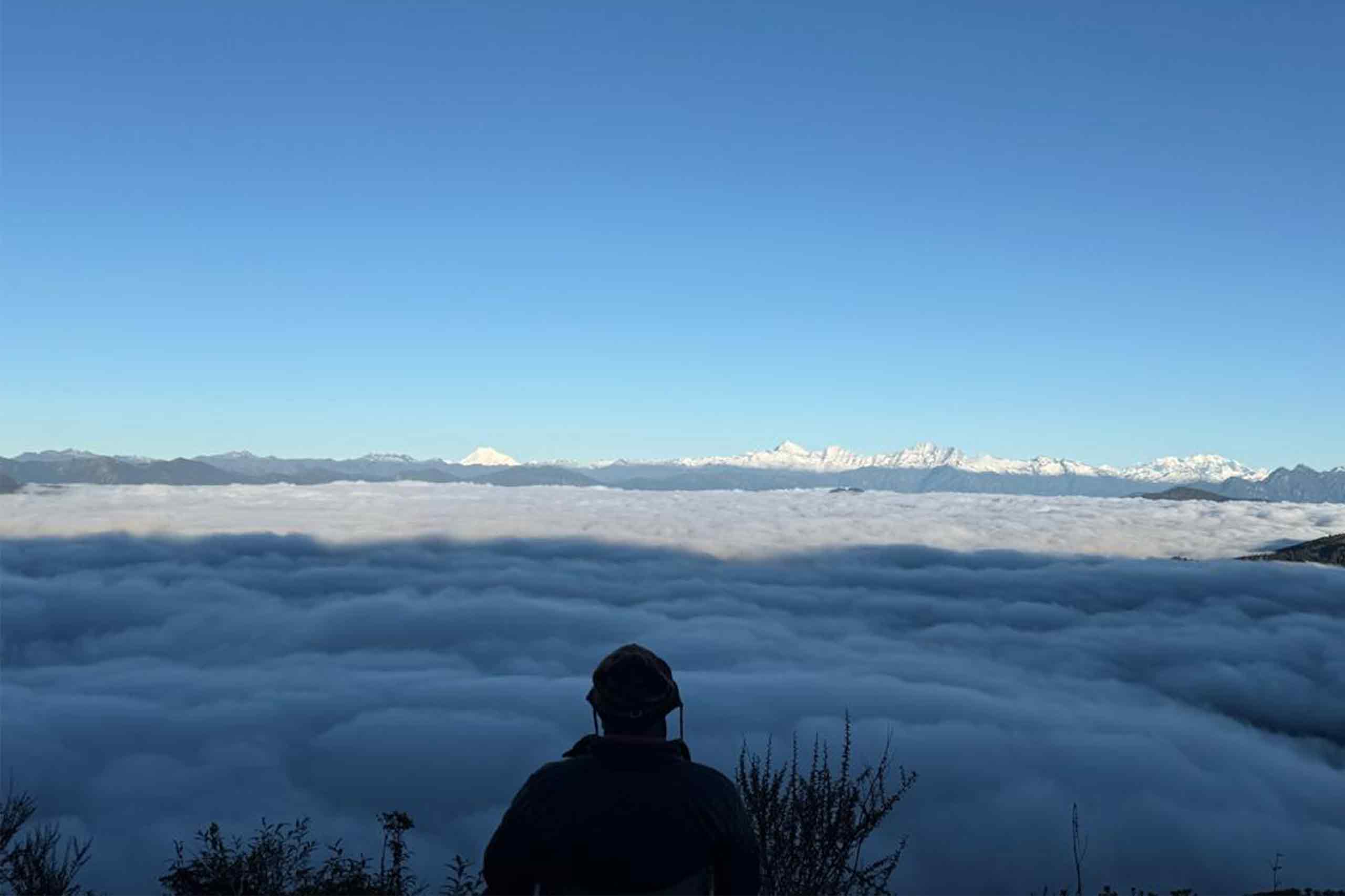
Trekking In Bhutan: Best Routes, Permits & Tips
Trekking In Bhutan: Best Routes, Permits & Tips Trekking In
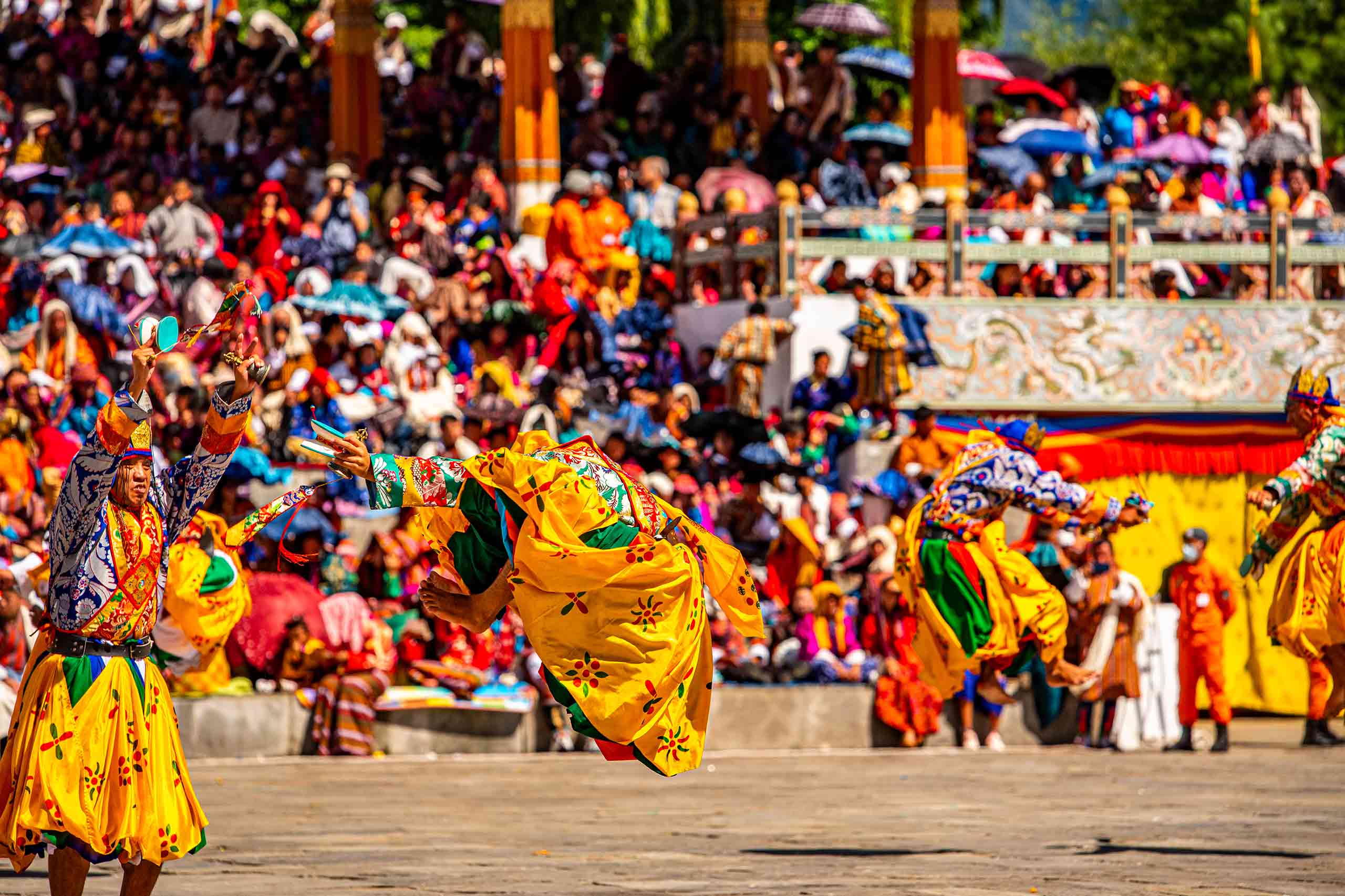
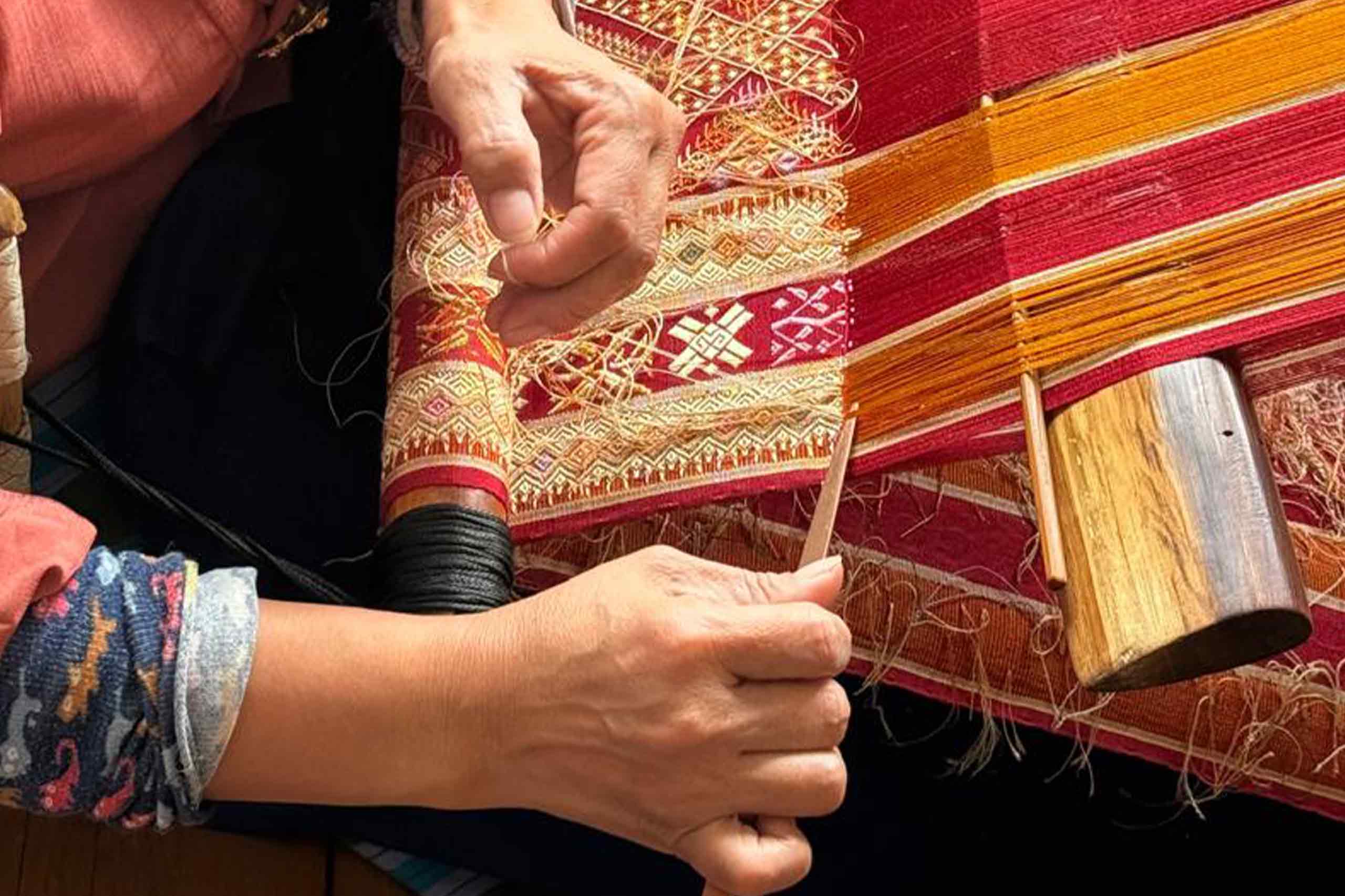
Cultural Tours In Bhutan
Cultural Tours In Bhutan Cultural Tours In Bhutan: The Complete
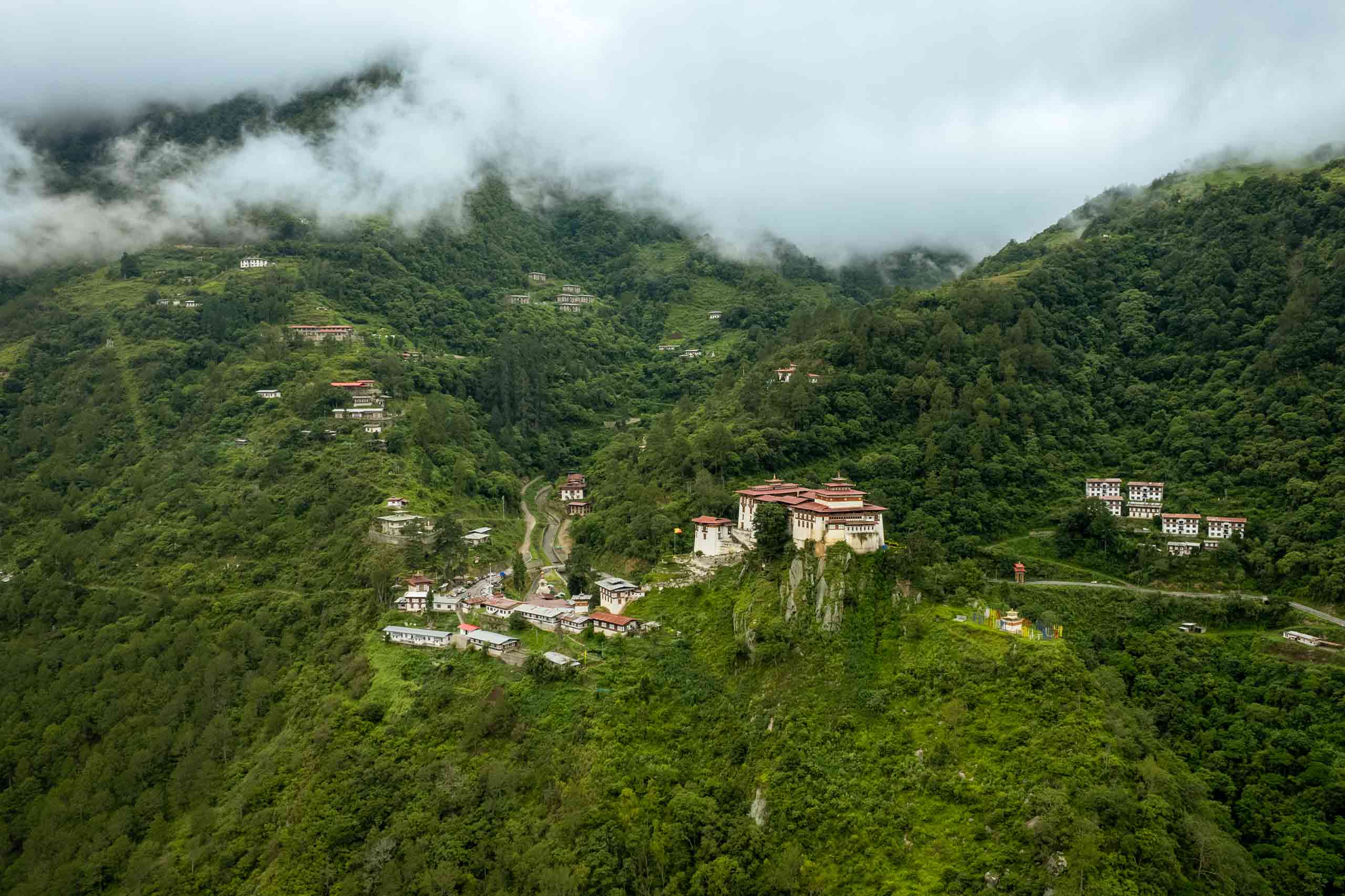
Eastern Bhutan Travel Guide
Eastern Bhutan Travel Guide Eastern Bhutan Travel Guide: The Complete