
Cultural Tours In Bhutan: The Complete Guide to Bhutan's Living Heritage
Bhutan is one of the last places in the world where Buddhist tradition still shapes daily life rather than sitting behind museum glass. Cultural tours in Bhutan take you inside centuries-old fortress-monasteries, into the middle of masked festival dances, and face to face with weavers, farmers, and monks carrying on practices that have barely changed in generations. For travelers who want more than mountain views, cultural tours in Bhutan offer a rare, direct encounter with a living Himalayan civilization.
This guide covers everything you need to plan cultural tours in Bhutan — what makes Bhutanese culture so distinct, the best time to go, the top cultural experiences and destinations, and practical etiquette tips for traveling respectfully.
What Makes Cultural Tours in Bhutan Unique
Bhutan spent much of its history closed to outside influence, which allowed its traditions, architecture, and Vajrayana Buddhist practices to develop largely undisturbed. Unlike many Himalayan destinations where ancient sites have become purely historical attractions, Bhutan’s dzongs, monasteries, and festivals remain functioning parts of everyday religious and civic life. Monks still study and pray inside the same dzongs that house government offices, and festivals are still primarily community and religious events that happen to welcome visitors, rather than performances staged for tourism.
This is what sets cultural tours in Bhutan apart: culture here isn’t reconstructed for display, it’s simply still being lived.
Best Time for Cultural Tours in Bhutan
Timing matters more for cultural tours in Bhutan than for most other trip styles, since many of the country’s biggest cultural events are tied to the Buddhist lunar calendar.
- Spring (March-May) — The Paro Tshechu, one of Bhutan’s largest festivals, takes place in spring, alongside milder weather ideal for sightseeing.
- Autumn (September-November) — The Thimphu Tshechu and numerous regional festivals fall in this season, combined with clear skies and comfortable temperatures, making it the most popular time for cultural tours in Bhutan.
- Winter (December-February) — Fewer festivals, but also fewer crowds at major dzongs and monasteries, along with crisp, clear mountain views.
- Summer (June-August) — Monsoon rains disrupt travel and reduce festival activity, making this the least ideal season for a culture-focused trip.
Top Cultural Experiences on a Bhutan Cultural Tour
Visiting Bhutan’s Dzongs
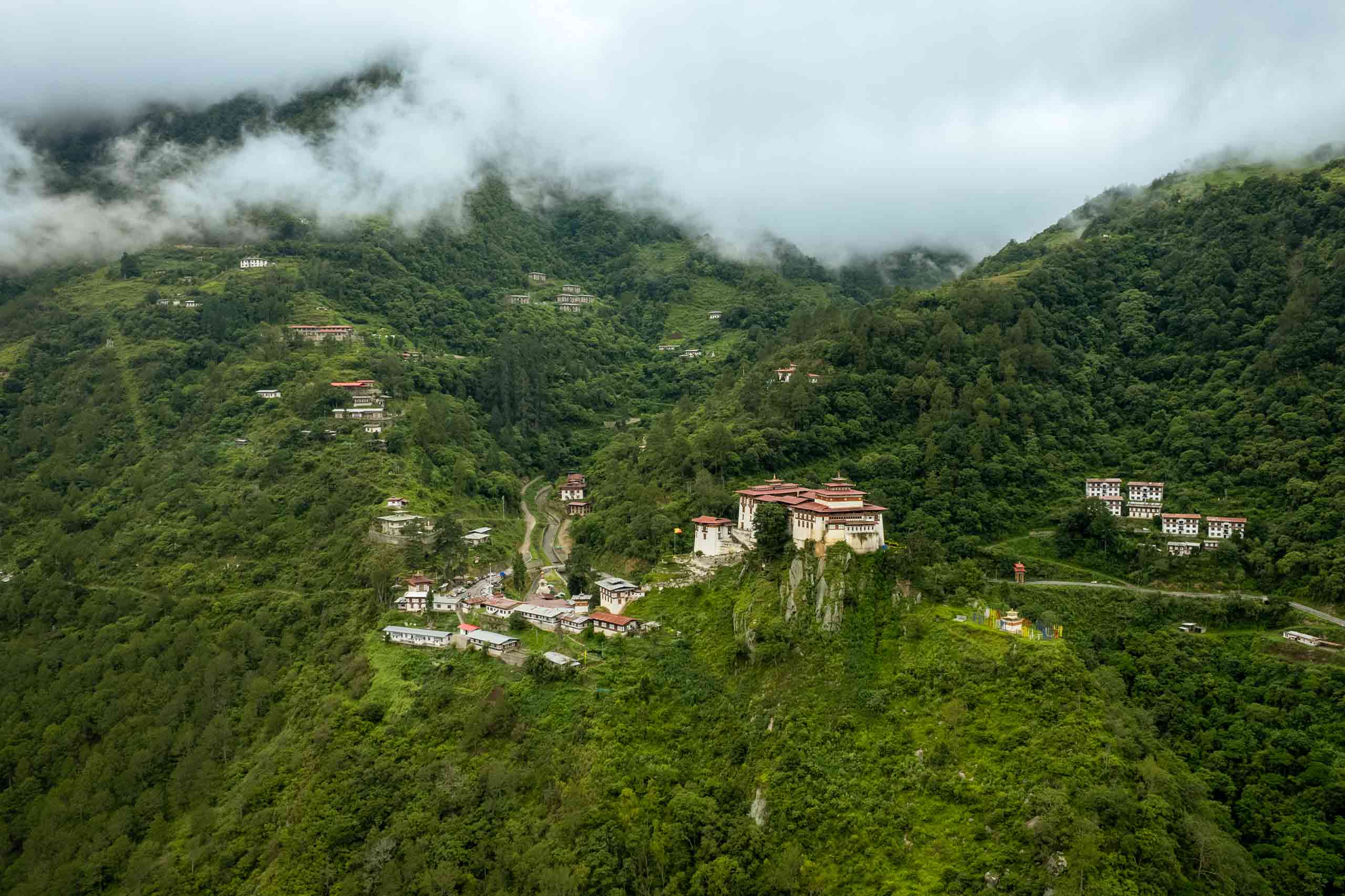
Dzongs are fortress-monasteries that double as regional administrative centres, with monastic quarters on one side and government offices on the other. Punakha Dzong, set between two rivers, and Trongsa Dzong, stretched dramatically along a mountain ridge, are two of the most visually striking examples, while Paro’s Rinpung Dzong and Thimphu’s Tashichho Dzong anchor most cultural tours in Bhutan’s western circuit.
Attending a Tshechu Festival
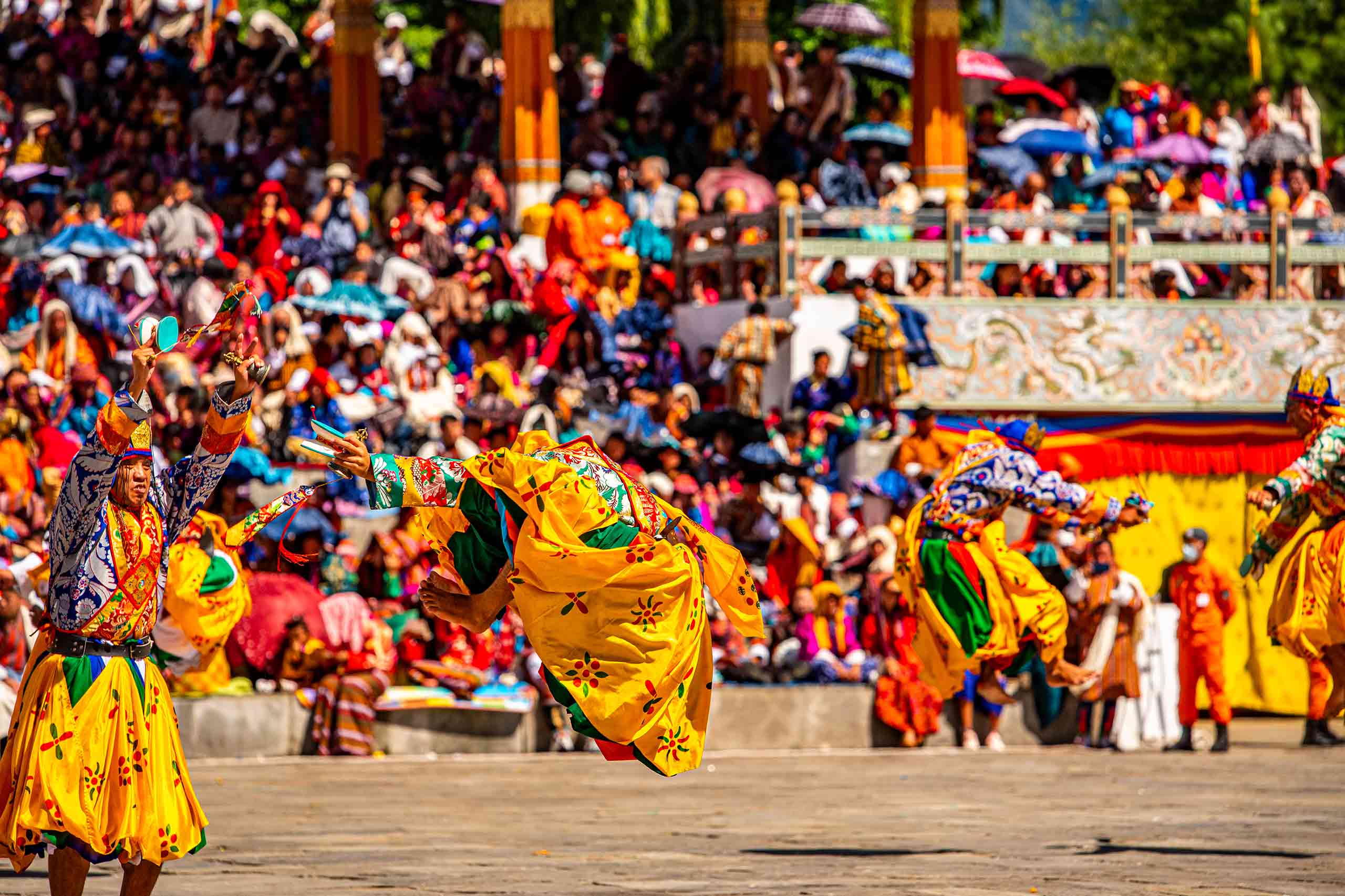
Tshechus are Bhutan’s signature cultural events — multi-day festivals held in dzong courtyards featuring masked cham dances performed by monks and laypeople. The dances retell Buddhist stories and are believed to bless onlookers, making festivals as spiritually significant as they are visually spectacular. Timing a trip around a tshechu is one of the most rewarding ways to experience cultural tours in Bhutan at their fullest.
Exploring Monasteries and Sacred Sites
From the cliffside Paro Taktsang (Tiger’s Nest) to the 7th-century Kyichu Lhakhang, Bhutan’s monasteries and temples are active places of worship rather than static heritage sites. Many are linked to Guru Rinpoche, the saint credited with bringing Buddhism to Bhutan in the 8th century, and remain important pilgrimage destinations for Bhutanese Buddhists today.
Traditional Arts and Crafts (Zorig Chusum)
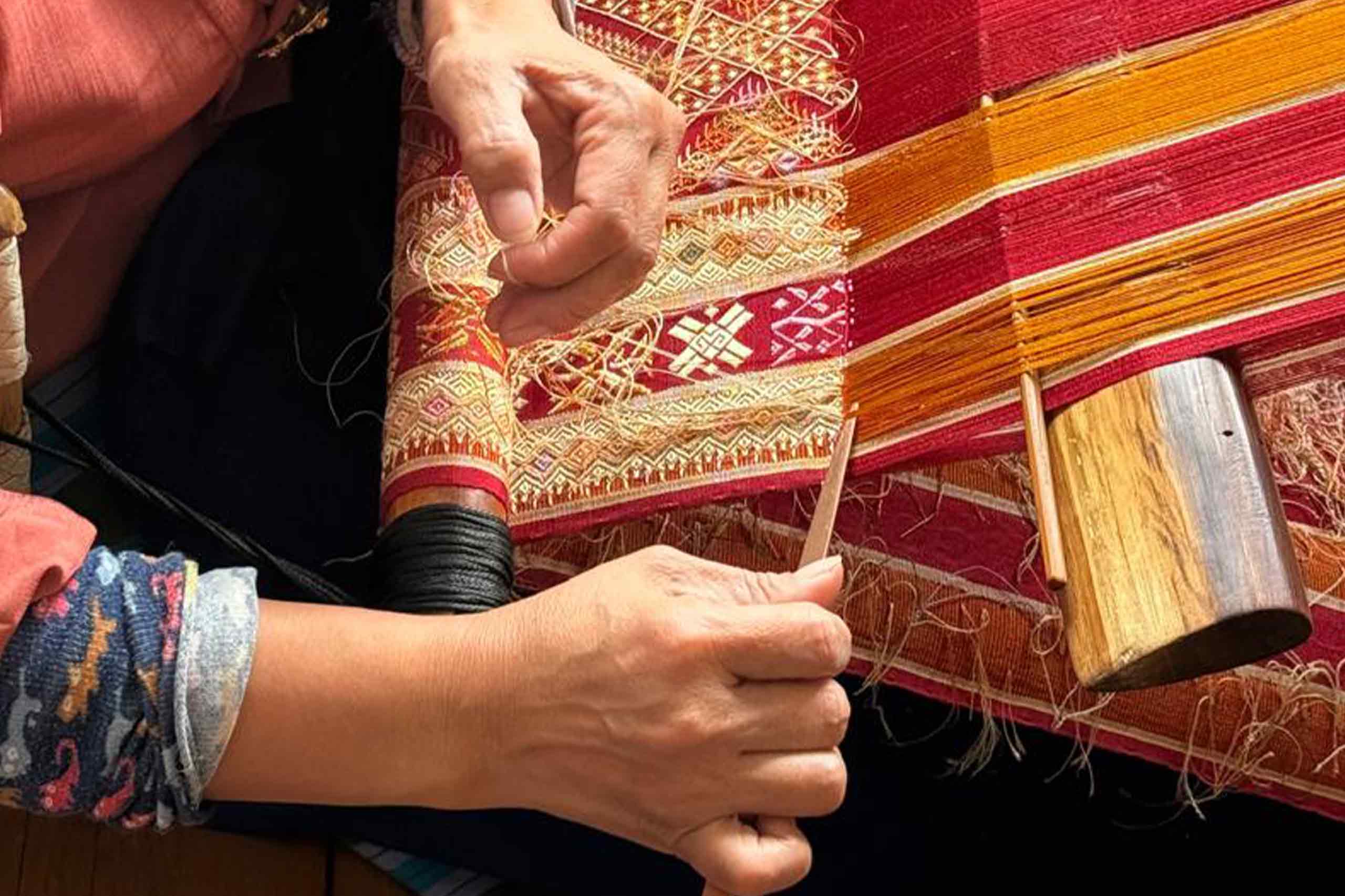
Bhutan formally recognizes thirteen traditional arts, known collectively as Zorig Chusum, covering everything from painting and woodcarving to weaving and silversmithing. Visiting the Institute for Zorig Chusum in Thimphu, or a weaving centre in Bumthang or Lhuentse, gives cultural travelers a close look at skills passed down through generations of apprenticeship.
Wearing Traditional Dress: Gho and Kira
Bhutanese national dress — the gho for men and the kira for women — is still worn daily, especially for festivals, temple visits, and formal occasions. Many operators offer visitors the chance to rent and wear traditional dress for a day, adding a personal layer of connection to cultural tours in Bhutan.
Farmhouse Stays and Village Life
An overnight stay in a traditional Bhutanese farmhouse offers insight into rural life that dzongs and museums can’t fully capture — shared meals, farming routines, and the simple architecture of rammed-earth homes found across the countryside.
Archery and Local Games
Archery is Bhutan’s national sport, and matches are as much social occasions as athletic ones, often accompanied by singing, dancing, and good-natured heckling between teams. Stumbling upon a local match is one of the more spontaneous, memorable moments many cultural tours in Bhutan deliver.
Bhutanese Cuisine
Bhutanese food centres on rice, chillies, and cheese, with ema datshi (chilli and cheese stew) as the national dish. Cultural tours in Bhutan increasingly include cooking demonstrations or shared meals with local families, giving travelers a hands-on introduction to the country’s food traditions.
Popular Destinations for Cultural Tours in Bhutan
- Paro — Home to Rinpung Dzong, the National Museum, Kyichu Lhakhang, and the iconic Tiger’s Nest hike.
- Thimphu — Bhutan’s capital, with Tashichho Dzong, the Memorial Chorten, the Folk Heritage Museum, and the Institute for Zorig Chusum.
- Punakha — Home to Punakha Dzong, widely considered Bhutan’s most beautiful fortress, along with Chimi Lhakhang, the ‘temple of fertility.’
- Bumthang — Bhutan’s spiritual heartland, with the highest concentration of temples and monasteries in the country.
- Haa Valley — A lesser-visited valley known for the Black and White Temples and traditional farmhouse stays.
Suggested Cultural Tour Itinerary
A well-paced cultural tour in Bhutan typically runs 7 to 10 days, allowing time to properly experience each destination rather than rushing between sites:
- Days 1-2: Paro — National Museum, Rinpung Dzong, Kyichu Lhakhang, hike to Tiger’s Nest
- Days 3-4: Thimphu — Tashichho Dzong, Memorial Chorten, Zorig Chusum institute, local markets
- Days 5-6: Punakha — Punakha Dzong, Chimi Lhakhang, Dochula Pass, farmhouse visit
- Days 7-9: Bumthang — Jakar Dzong, Tamzhing Monastery, textile weaving villages
- Day 10: Return to Paro for departure
Cultural Etiquette Tips for Bhutan
- Dress modestly when visiting dzongs and monasteries — shoulders and knees should be covered.
- Remove hats and sunglasses before entering temple buildings, and avoid pointing your feet toward religious statues when seated.
- Always walk clockwise around chortens, prayer wheels, and other religious structures.
- Ask permission before photographing monks, religious ceremonies, or festival dancers up close.
- Follow your guide’s lead on when photography is and isn’t permitted inside temple interiors, as rules vary by site.
How to Plan a Cultural Tour in Bhutan
All visitors to Bhutan travel with a licensed local guide as part of the country’s Sustainable Development Fee (SDF) policy, and cultural itineraries are typically built around your dates, interests, and any specific festivals you’d like to attend. Booking several months in advance is especially important if your trip is timed around a major tshechu, since accommodation in festival towns fills up quickly.
Frequently Asked Questions About Cultural Tours in Bhutan
What is the best time for cultural tours in Bhutan?
Spring and autumn are best, both for pleasant weather and because most major tshechu festivals fall within these seasons.
How many days do I need for a cultural tour in Bhutan?
Most cultural tours in Bhutan run 7 to 10 days, covering Paro, Thimphu, Punakha, and often Bumthang, with enough time to properly explore each stop.
Can I attend a tshechu festival as a tourist?
Yes. Tshechus are open to visitors, though dates follow the Bhutanese lunar calendar and change year to year, so it’s worth planning your itinerary around confirmed festival dates.
Do I need a guide for a cultural tour in Bhutan?
Yes, all visitors to Bhutan are required to travel with a licensed local guide, who will also provide context and access to sites that would be difficult to appreciate independently.
Final Thoughts
Cultural tours in Bhutan offer something increasingly rare: a chance to witness tradition not as a re-enactment, but as an ongoing part of daily life. Whether it’s the thunder of drums at a tshechu, the quiet of a cliffside monastery, or a shared meal in a farmhouse kitchen, cultural tours in Bhutan reward travelers who come ready to slow down, pay attention, and step respectfully into a world still shaped by centuries of unbroken tradition.
Explore more
Related Blogs
Trekking In Bhutan: Best Routes, Permits & Tips
Trekking In Bhutan: Best Routes, Permits & Tips Trekking In
Cultural Tours In Bhutan
Cultural Tours In Bhutan Cultural Tours In Bhutan: The Complete
Eastern Bhutan Travel Guide
Eastern Bhutan Travel Guide Eastern Bhutan Travel Guide: The Complete