
Eastern Bhutan Travel Guide: The Complete Guide to Bhutan's Untouched Frontier
While most visitors to Bhutan stick to the well-worn circuit of Paro, Thimphu, and Punakha, Eastern Bhutan remains one of the last genuinely untouched corners of the Himalayas. Spanning remote districts such as Trashigang, Mongar, Lhuntse, and Trashiyangtse, Eastern Bhutan offers ancient dzongs, semi-nomadic mountain villages, world-class textile weaving, and a slower, more rural way of life that has changed little for centuries. For travelers who have already seen Bhutan’s highlights or simply want to go further off the map, Eastern Bhutan is where the country feels most authentic.
This guide walks through everything you need to plan a trip to Eastern Bhutan — its geography, the best time to visit, the top districts and attractions, how to get there, and practical tips for traveling in this remote region.
Where Is Eastern Bhutan?
Eastern Bhutan refers to the districts that make up the easternmost part of the kingdom, primarily Mongar, Trashigang, Lhuntse, Trashiyangtse, Pemagatshel, and Samdrup Jongkhar. The region borders the Indian state of Arunachal Pradesh and stretches from subtropical lowland forests near the Indian border up to alpine peaks along the Tibetan frontier. Trashigang, the largest district in Bhutan, sits roughly 600 km from Thimphu, while Mongar marks the traditional gateway into Eastern Bhutan from central Bhutan.
This dramatic range of elevation gives Eastern Bhutan the most diverse climate and ecology in the country, from bamboo and teak forests in the lowlands to high alpine terrain where black-necked cranes roost in winter.
Why Visit Eastern Bhutan
Eastern Bhutan sees only a fraction of the tourists who visit the west. As a result, the region has preserved a version of Bhutanese life that has largely disappeared elsewhere — from the Kishuthara silk weaving of Lhuentse to the semi-nomadic Brokpa herders of Merak and Sakteng, who still wear distinctive yak-hair and sheepskin clothing found nowhere else in the country.
The region is also home to Bhutan’s largest dzongs, its most important pilgrimage stupas, and some of its best birdwatching, making Eastern Bhutan a rewarding stop for cultural travelers, textile enthusiasts, and nature lovers alike.
Best Time to Visit Eastern Bhutan
Eastern Bhutan’s varied elevation means weather differs sharply between the lowlands and the high passes:
- Spring (March-May) — Mild temperatures and blooming rhododendrons make this an excellent season for travel and trekking.
- Autumn (September-November) — Clear skies and dry roads make this the most popular season, ideal for dzong visits and long overland drives.
- Winter (December-February) — Cold at higher elevations but generally dry; a good time to see black-necked cranes in the Bumdeling Wildlife Sanctuary near Trashiyangtse.
- Summer (June-August) — Monsoon season brings heavy rain and occasional landslides on mountain roads, making travel less predictable.
Top Places to Visit in Eastern Bhutan
1. Trashigang — The Jewel of the East
Bhutan’s largest district, Trashigang is home to the imposing 17th-century Trashigang Dzong, perched on a cliff above the Gamri and Drangme rivers. The town has long served as a trading hub with India and remains the market centre for the semi-nomadic communities of the surrounding highlands. The Trashigang Tshechu is considered the biggest festival celebration in Eastern Bhutan.
2. Merak and Sakteng — Home of the Brokpa
These twin highland villages are inhabited by the Brokpa, semi-nomadic yak and sheep herders believed to have migrated from Tibet generations ago. Their distinctive dress, woven from yak hair and topped with spider-shaped felt hats, sets them apart from anywhere else in Bhutan. The surrounding Sakteng Wildlife Sanctuary is also linked in local legend to sightings of the Migoi, Bhutan’s version of the yeti.
3. Mongar — Gateway to the East
Perched on a hillside rather than a valley floor, Mongar marks the traditional entry point into Eastern Bhutan. Mongar Dzong, built in the 1930s using traditional construction methods without nails or drawings, overlooks the town’s market. The district’s forests and varied elevation have also earned it a reputation as one of Bhutan’s best birdwatching destinations.
4. Lhuentse — Ancestral Home of the Royal Family
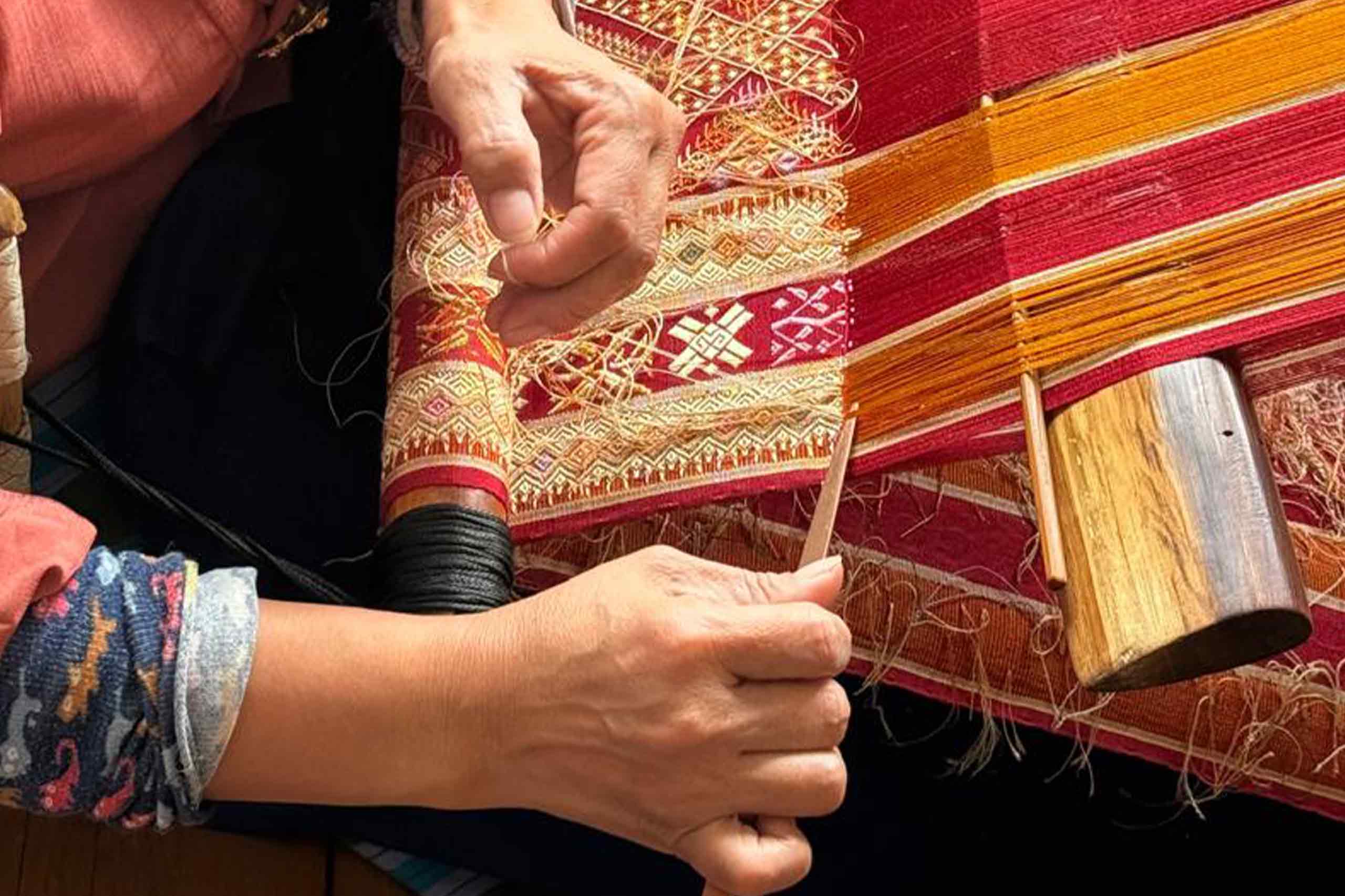
One of Bhutan’s most remote and culturally rich districts, Lhuentse is the ancestral home of the Wangchuck dynasty. Lhuentse Dzong sits on a ridge above the Kuri Chhu river, while nearby Khoma village is considered the heartland of Bhutanese textile weaving, famous for the intricate Kishuthara brocade pattern that can take months to complete on a single piece.
5. Trashiyangtse — Land of Woodcraft and Sacred Stupas
Established as its own district in 1992, Trashiyangtse is known for fine woodwork, including hand-turned wooden bowls prized across Bhutan. Its most famous landmark is Chorten Kora, a large stupa modeled on Nepal’s Boudhanath, which draws pilgrims from both Bhutan and neighbouring Arunachal Pradesh for an annual circumambulation festival. Nearby Gom Kora, a sacred site linked to Guru Rinpoche’s meditation, hosts a similar festival roughly ten days later.
6. Bumdeling Wildlife Sanctuary
North of Trashiyangtse, Bumdeling Wildlife Sanctuary is one of the best places in Eastern Bhutan for birdwatching, serving as a winter roosting ground for black-necked cranes and home to Ludlow’s Bhutan Glory, the national butterfly of Bhutan.
How to Reach Eastern Bhutan
Most travelers reach Eastern Bhutan by road from central Bhutan, driving from Bumthang over the Thrumshingla pass to Mongar before continuing to Lhuentse or Trashigang — a dramatic multi-day journey through forested mountains. Alternatively, Yongphulla Airport near Trashigang offers domestic flights connecting Eastern Bhutan to Paro, cutting travel time significantly. Travelers can also enter or exit Eastern Bhutan through Samdrup Jongkhar, a border town connected to Guwahati in the Indian state of Assam.
Where to Stay in Eastern Bhutan
Accommodation across Eastern Bhutan is simpler than in the west, with small hotels and guesthouses concentrated in Trashigang, Mongar, and Lhuentse offering clean rooms and hot water rather than luxury amenities. Family-run guesthouses and farmhouse stays are common in more remote areas such as Merak and Sakteng, offering an immersive alternative for travelers happy to trade polish for authenticity.
Practical Travel Tips for Eastern Bhutan
- Pack layers — temperatures swing dramatically between the subtropical lowlands and high mountain passes.
- Carry sufficient cash in Bhutanese ngultrum, as card acceptance is limited outside the main towns.
- Mobile signal and internet access can be patchy or unavailable in remote areas, so download offline maps in advance and let someone know your itinerary.
- All visitors to Bhutan travel with a licensed local guide as part of the country’s Sustainable Development Fee (SDF) policy, which is especially useful given how spread out Eastern Bhutan’s attractions are.
- Build extra time into your itinerary — road journeys in Eastern Bhutan are long and scenic, but slower than distances on a map might suggest.
Frequently Asked Questions About Eastern Bhutan
What districts make up Eastern Bhutan?
Eastern Bhutan generally refers to Mongar, Trashigang, Lhuentse, Trashiyangtse, Pemagatshel, and Samdrup Jongkhar.
Is Eastern Bhutan worth visiting?
Yes, especially for travelers who want to see rural Bhutanese life, textile weaving villages, and semi-nomadic highland culture that is largely untouched by mass tourism.
How do I get to Eastern Bhutan?
Most travelers drive from central Bhutan via Bumthang and the Thrumshingla pass, though Yongphulla Airport near Trashigang offers a faster option, and Samdrup Jongkhar provides a southern entry point from Assam, India.
How many days do I need for Eastern Bhutan?
A meaningful trip covering Mongar, Trashigang, and Lhuentse typically takes seven to ten days given the long driving distances between towns.
Final Thoughts
Eastern Bhutan is not a place you pass through quickly — it rewards travelers who are willing to spend long days on winding mountain roads in exchange for genuine, unscripted encounters with Bhutanese culture. From the Brokpa herders of Merak and Sakteng to the silk weavers of Khoma village, Eastern Bhutan offers a side of the kingdom that few visitors ever see. For anyone who wants to experience Bhutan beyond its postcard image, Eastern Bhutan is where the journey truly begins.
Explore more
Related Blogs
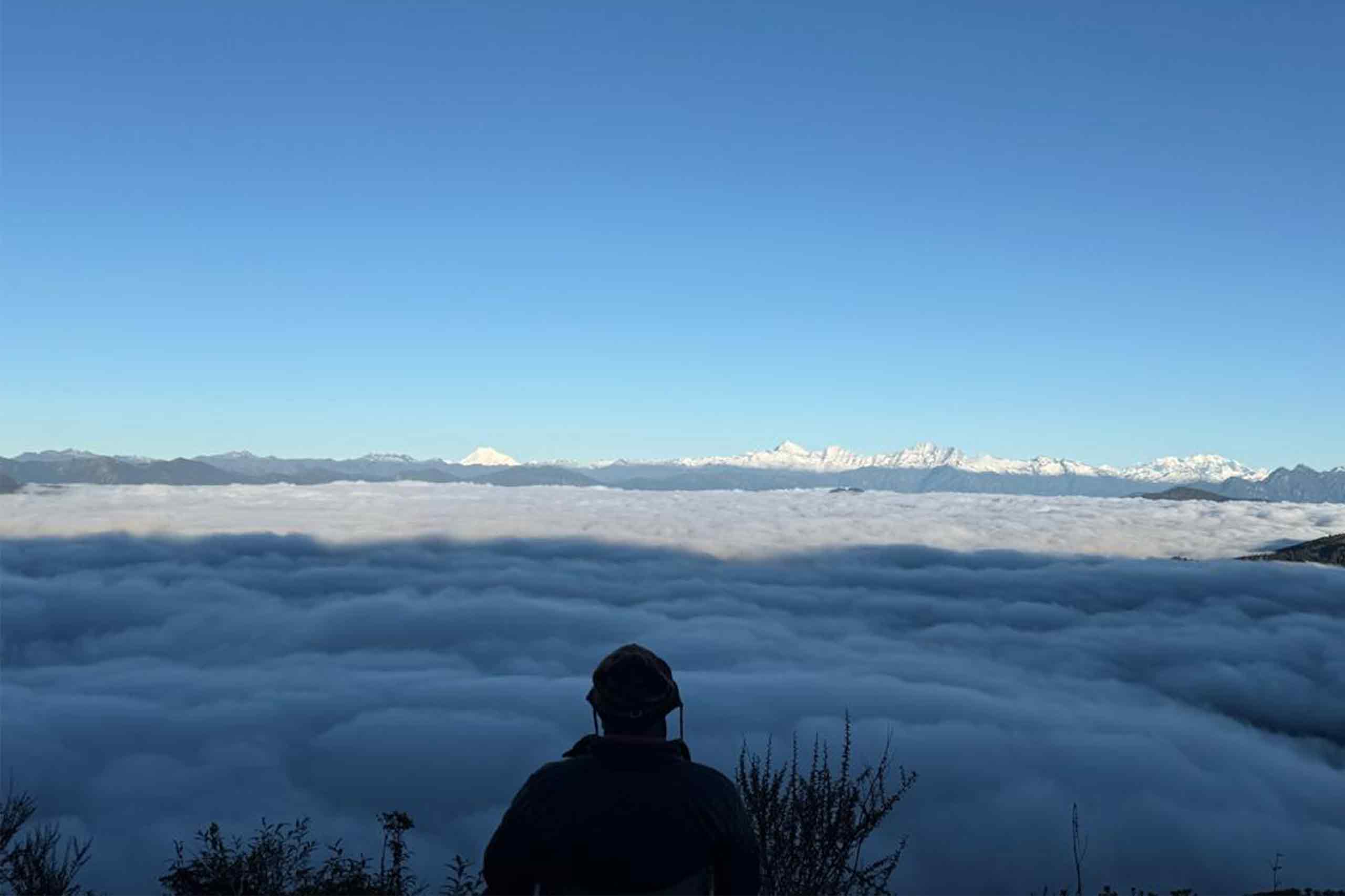
Trekking In Bhutan: Best Routes, Permits & Tips
Trekking In Bhutan: Best Routes, Permits & Tips Trekking In
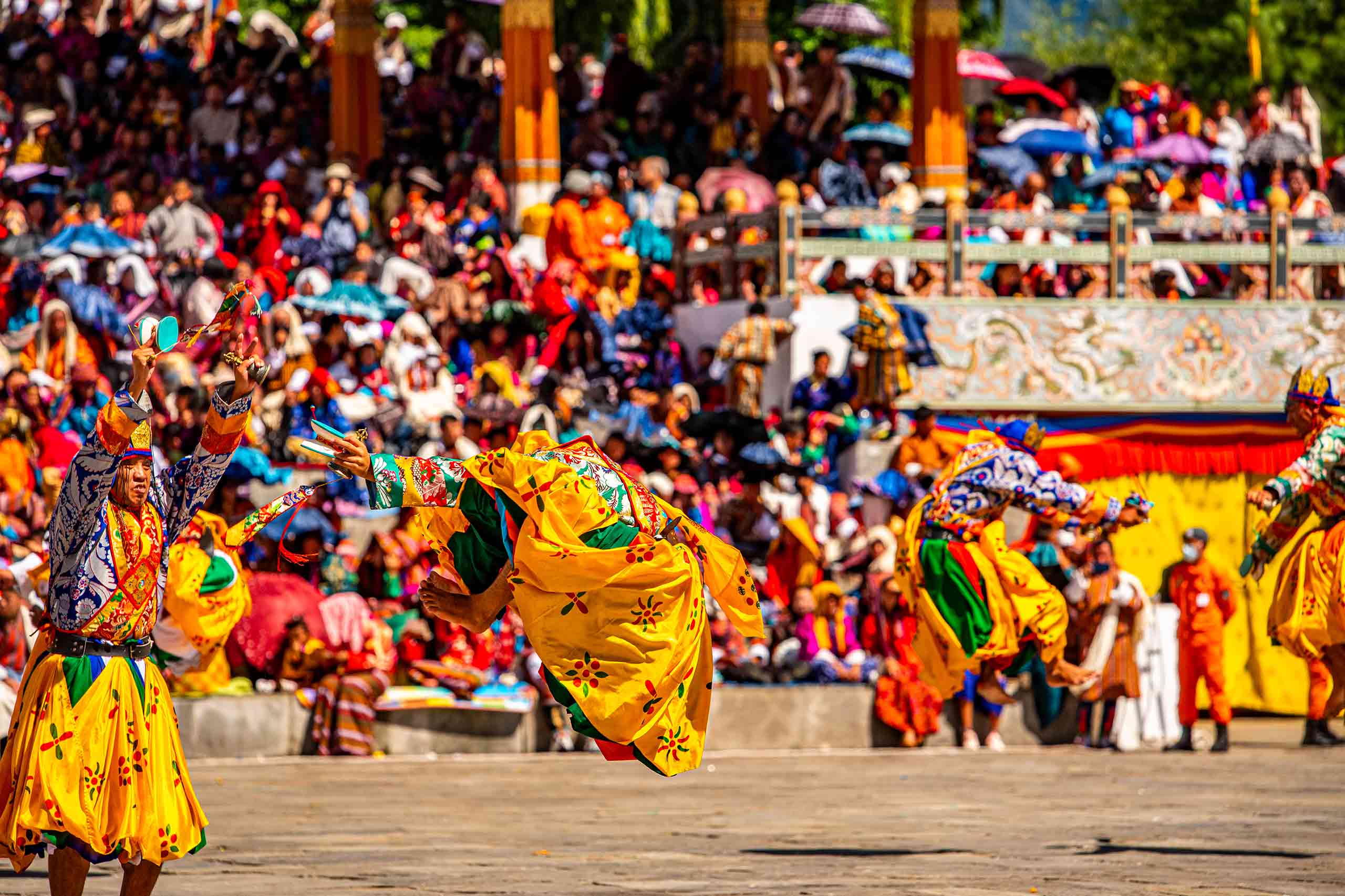
Cultural Tours In Bhutan
Cultural Tours In Bhutan Cultural Tours In Bhutan: The Complete
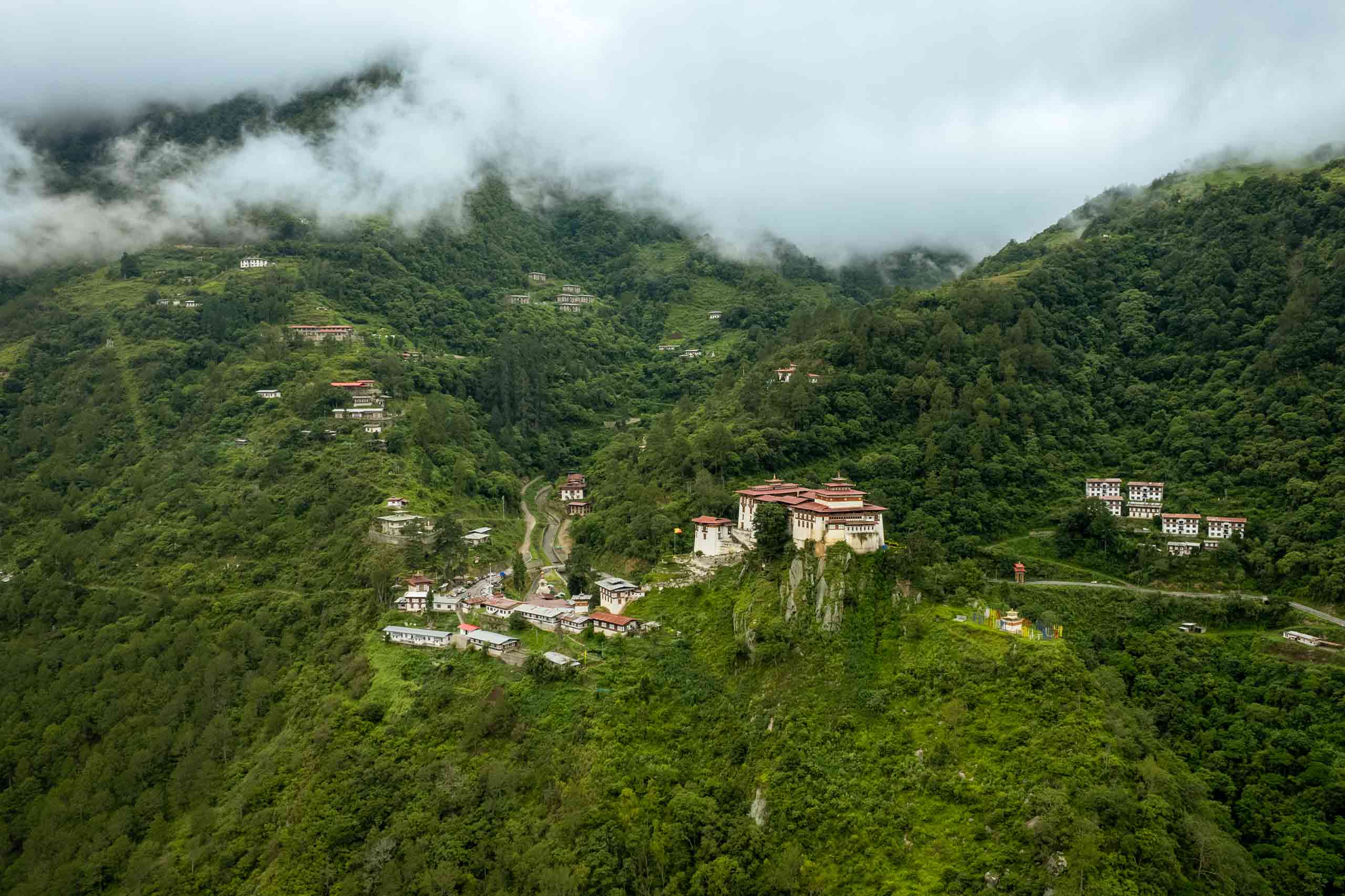
Eastern Bhutan Travel Guide
Eastern Bhutan Travel Guide Eastern Bhutan Travel Guide: The Complete