
Of the four valleys that make up Bhutan’s Bumthang district, Tang Valley is the wildest and least visited. Tucked away in the northeastern reaches of Bumthang, Tang Valley Bumthang rewards travelers with untouched farmland, sacred cliffside temples, and a slower pace of life that has changed little over the centuries. If you want to go beyond Bhutan’s well-trodden circuit and experience the country’s spiritual heartland at its most authentic, Tang Valley Bumthang belongs on your itinerary.
This guide covers everything you need to know about Tang Valley Bumthang — its location and history, the best time to visit, top things to do, where to stay, and practical tips for planning your trip.
Where Is Tang Valley Bumthang Located?
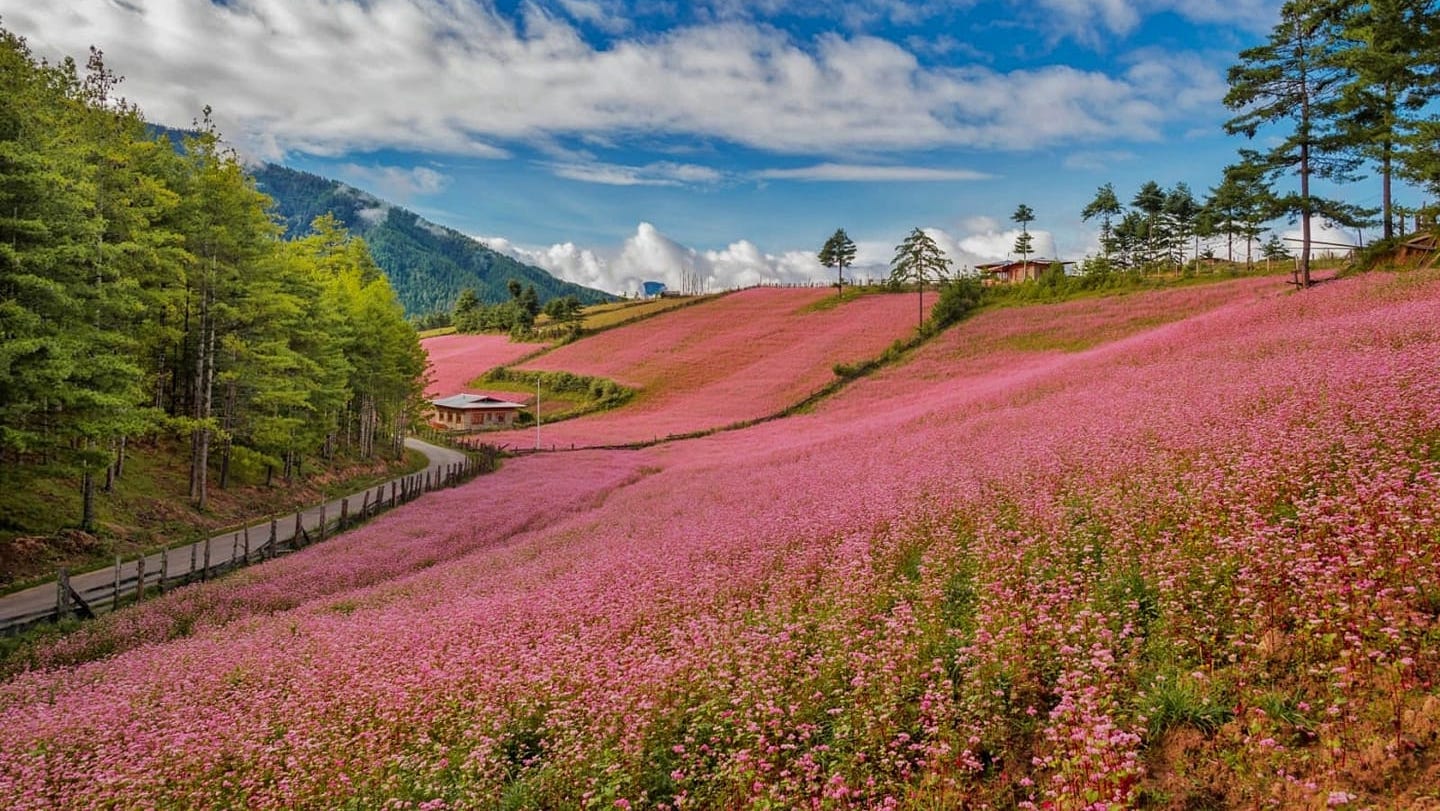
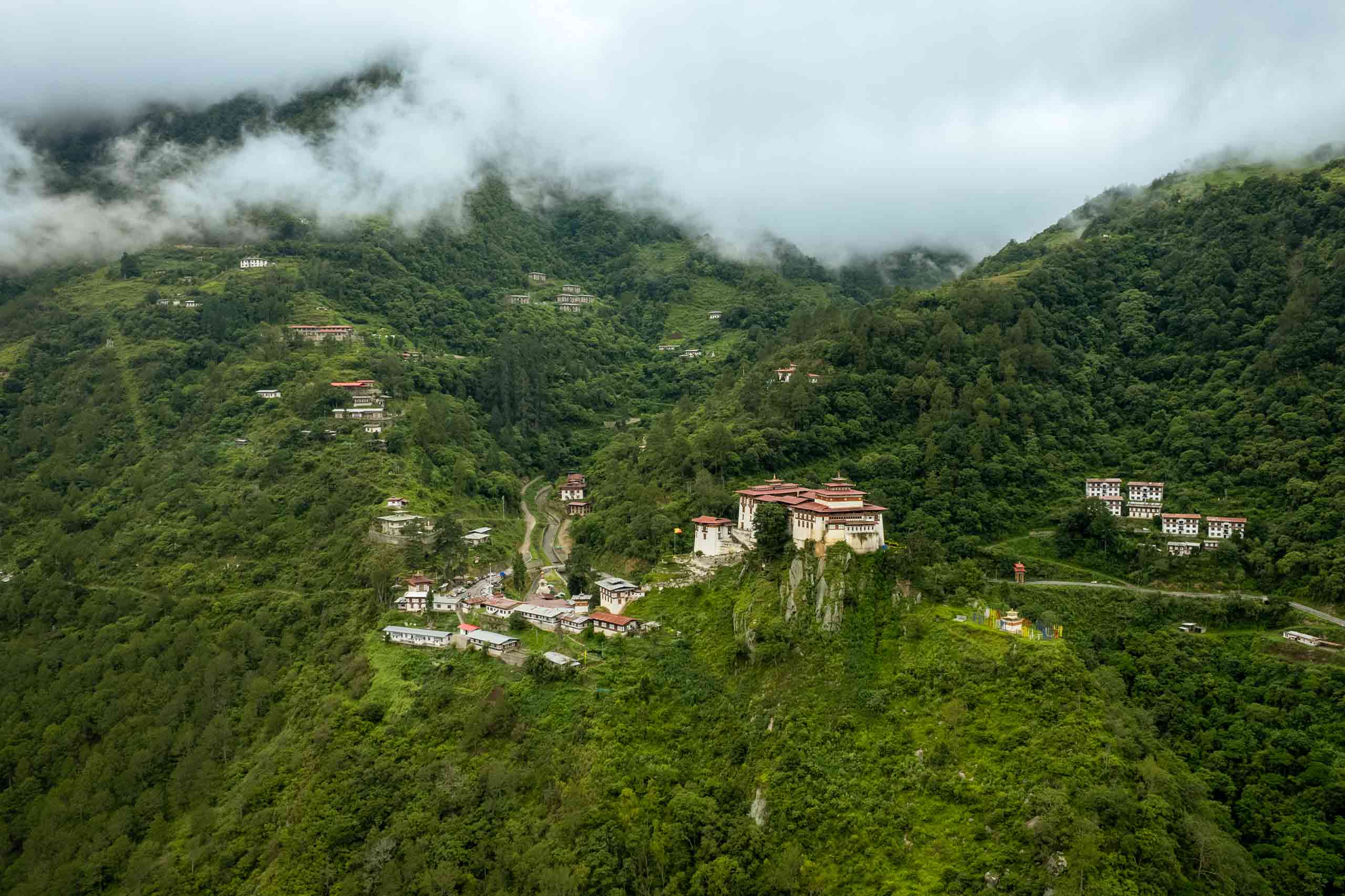
Tang Valley sits in the northeastern part of Bumthang district in central Bhutan, bordered by Lhuentse to the north and east, Ura to the south, and Chhoekhor (Bumthang’s main valley) to the west. Spread across roughly 511 square kilometres at an elevation of 2,800 to 3,000 metres, Tang Valley Bumthang is higher and considerably less farmed than its neighbouring valleys, which gives it a wilder, more open character.
The valley is reached via a scenic uphill road from Jakar, Bumthang’s main town, passing the sacred Mebartsho (Burning Lake) before climbing through pine forest and narrow ridges to the valley floor. Depending on road conditions, the drive from Jakar to Tang Valley takes roughly 45 minutes to just over an hour.
Why Visit Tang Valley Bumthang
Tang Valley Bumthang is considered the spiritual cradle of the region. It is the birthplace of Terton Pema Lingpa, one of Bhutan’s most revered saints and treasure-revealers, born in the village of Baribrang. The valley is dotted with meditation caves, cliffside hermitages, and centuries-old temples tied to Guru Rinpoche and Pema Lingpa’s lineage.
Unlike Bhutan’s more visited valleys, Tang remains largely untouched by mass tourism. Life here still revolves around sheep, cattle, and yak herding at higher elevations, along with fields of wheat, barley, buckwheat, and potatoes. For travelers seeking slow, immersive cultural travel rather than a checklist of sights, Tang Valley Bumthang is one of the most rewarding corners of the country.
Best Time to Visit Tang Valley Bumthang
Tang Valley Bumthang can be visited year-round, though each season offers a different experience:
- Summer (June-August) — Lush, green, and vibrant, though this coincides with Bhutan’s monsoon season, so expect some rain.
- Autumn (September-November) — Clear skies and crisp air make this the best season for photography and hiking to the valley’s cliffside monasteries.
- Winter (December-February) — Cold but serene. Tourist numbers drop sharply, and you may find yourself the only visitor in the valley.
- Spring (March-May) — Mild weather and blooming rhododendrons in the surrounding forests, a good shoulder-season option.
Top Things to Do in Tang Valley Bumthang
1. Explore Ogyen Choling Palace and Museum
This restored 15th-century noble estate is the single most important cultural site in Tang Valley Bumthang. Once home to descendants of the tertön Dorji Lingpa, it now operates as a heritage museum with galleries covering agriculture, textiles, religious artefacts, and traditional household life, alongside a small guesthouse where visitors can stay overnight.
2. Hike to Kunzangdrak Monastery
Built directly into a cliff face, Kunzangdrak Monastery is revered as one of the sacred meditation sites of Guru Rinpoche in the Bumthang region. The approach involves a moderate hike through forest, rewarded with sweeping views over the valley and a deep sense of the spiritual significance this landscape holds for Bhutanese pilgrims.
3. Visit Tang Rimochen Lhakhang
Named for the striped, tiger-like patterns visible on the rock face beside it, this temple marks the spot where Guru Rinpoche is said to have meditated with his consorts Yeshe Tsogyal and Mandarava. It’s one of the most atmospheric and least-visited temples in all of Bumthang.
4. Trek to Thowa Drak Hermitage
Perched on a sheer cliff at the northern end of the valley, Thowa Drak is often compared to Paro’s famous Tiger’s Nest Monastery. Reaching it requires a steep three-hour hike through quiet forest, but the views over Tang Valley Bumthang from the top make the climb worthwhile.
5. Visit Mebartsho, the Burning Lake
On the road between Jakar and Tang Valley, Mebartsho is a sacred pool on the Tang Chhu river where Pema Lingpa is said to have retrieved hidden spiritual treasures while holding a lit butter lamp underwater. It remains a popular pilgrimage stop and a peaceful spot to pause before continuing into the valley.
6. Meet Local Farmers and Herders
With no major tourist infrastructure, a visit to Tang Valley Bumthang is as much about people as places. Walking among the scattered farmhouses, watching sheep and yak herders at work, and sharing a cup of butter tea with a local family offers a rare, unscripted look at rural Bhutanese life.
How to Reach Tang Valley Bumthang
Most travelers reach Tang Valley Bumthang via Jakar, the main town of Bumthang district. Jakar is accessible either by a scenic multi-day drive from Thimphu through Punakha and Trongsa, or by a short domestic flight from Paro to Bathpalathang Airport in Jakar. From Jakar, the valley itself is a short but winding drive of roughly 45 minutes to an hour, past Mebartsho and through pine forest before the road opens onto the valley floor.
Where to Stay in Tang Valley Bumthang
Accommodation is limited, in keeping with the valley’s remote character. The standout option is Ogyen Choling Heritage House, a restored palace-turned-guesthouse where guests sleep in a building once home to lamas and nobility while directly supporting local heritage conservation. Mesithang River Retreat, a small riverside lodge near Tang Rimochen Lhakhang, is another comfortable option for travelers wanting to stay overnight in the valley rather than day-tripping from Jakar.
What to Eat in Tang Valley Bumthang
Meals in Tang Valley reflect the region’s pastoral economy — expect hearty dishes built around buckwheat, wheat, and potatoes, along with dairy products from local herds. Bumthang is well known across Bhutan for its cheese, honey, and red rice, and a stop at the Swiss Cheese Factory and Brewery near Jakar is a popular addition to any Tang Valley itinerary.
Travel Tips for Visiting Tang Valley Bumthang
- Pack for cold and changeable weather — even in summer, evenings at this elevation can turn chilly.
- Wear sturdy footwear if you plan to hike to Kunzangdrak or Thowa Drak, as trails are steep and uneven in places.
- Fishing is permitted in the Tang Chhu river but strictly regulated, so check current rules with your guide before casting a line.
- All visitors to Bhutan travel with a licensed local guide as part of the country’s Sustainable Development Fee (SDF) policy, so transport, permits, and entry arrangements are typically handled for you.
- Carry cash in Bhutanese ngultrum, as card payment options are scarce this far off the main tourist circuit.
Frequently Asked Questions About Tang Valley Bumthang
Is Tang Valley part of Bumthang?
Yes. Tang is one of the four valleys that make up Bumthang district, alongside Chhoekhor, Chumey, and Ura. Tang lies in the northeastern part of the district and is the most remote of the four.
How far is Tang Valley from Jakar?
Tang Valley Bumthang is roughly 45 minutes to an hour’s drive from Jakar, Bumthang’s main town, along a scenic uphill road past Mebartsho.
What is Tang Valley famous for?
Tang Valley Bumthang is best known as the birthplace of the saint Pema Lingpa, and for sacred sites such as Ogyen Choling Palace, Kunzangdrak Monastery, and Tang Rimochen Lhakhang.
How many days should I spend in Tang Valley Bumthang?
A half-day to full-day excursion from Jakar covers the main sights, but an overnight stay at Ogyen Choling or Mesithang River Retreat allows time for the longer hikes to Kunzangdrak or Thowa Drak.
Final Thoughts
Tang Valley Bumthang is not a place of grand monuments or polished tourist infrastructure—and that is precisely its appeal. Between cliffside hermitages, a birthplace of saints, and farming villages that have changed little in generations, Tang Valley Bumthang offers a rare, unfiltered look at Bhutan’s spiritual and rural heart. For travelers willing to venture off Bhutan’s main circuit, few valleys reward the journey quite like this one.
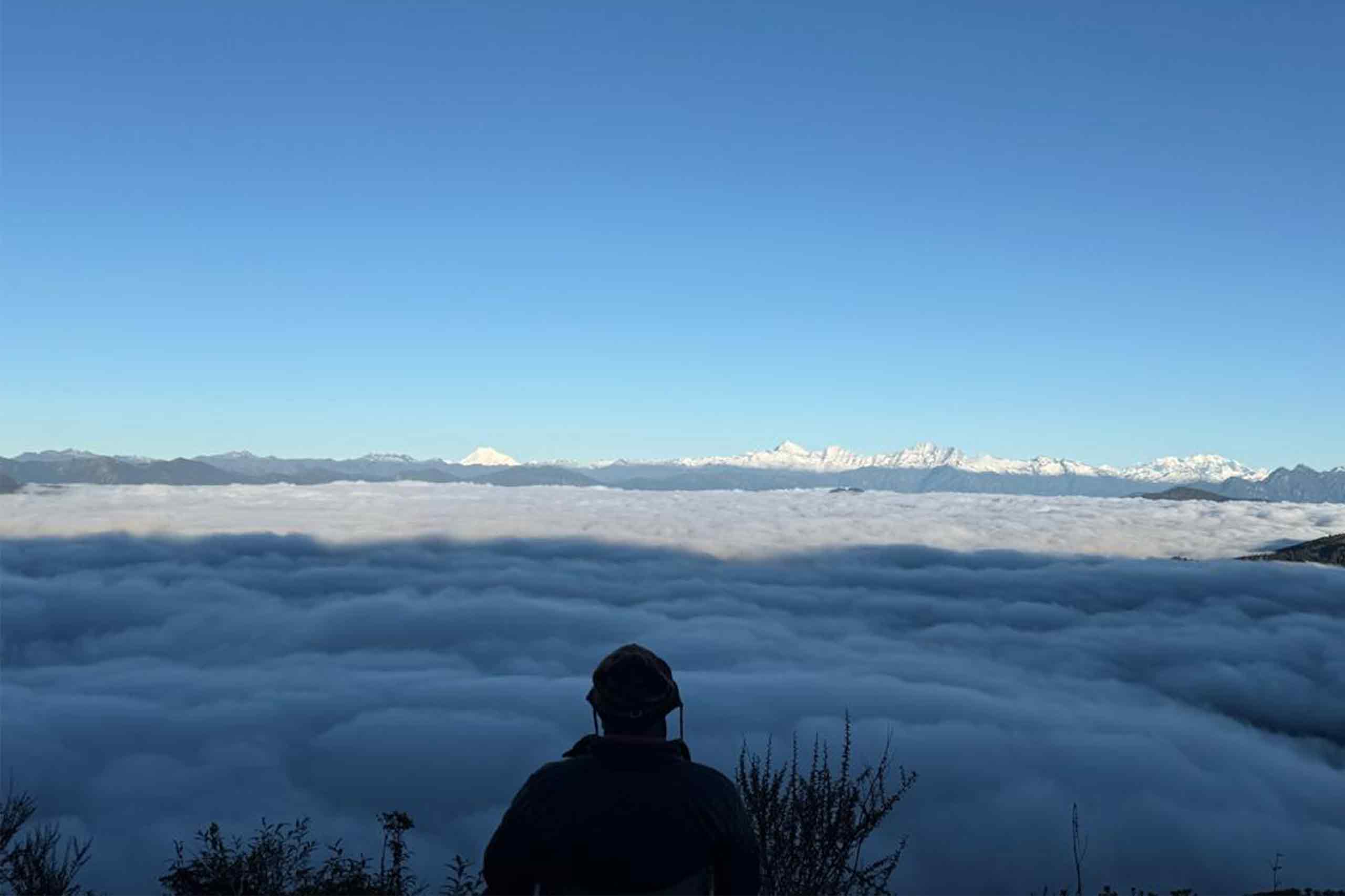
Trekking In Bhutan: Best Routes, Permits & Tips
Trekking In Bhutan: Best Routes, Permits & Tips Trekking In
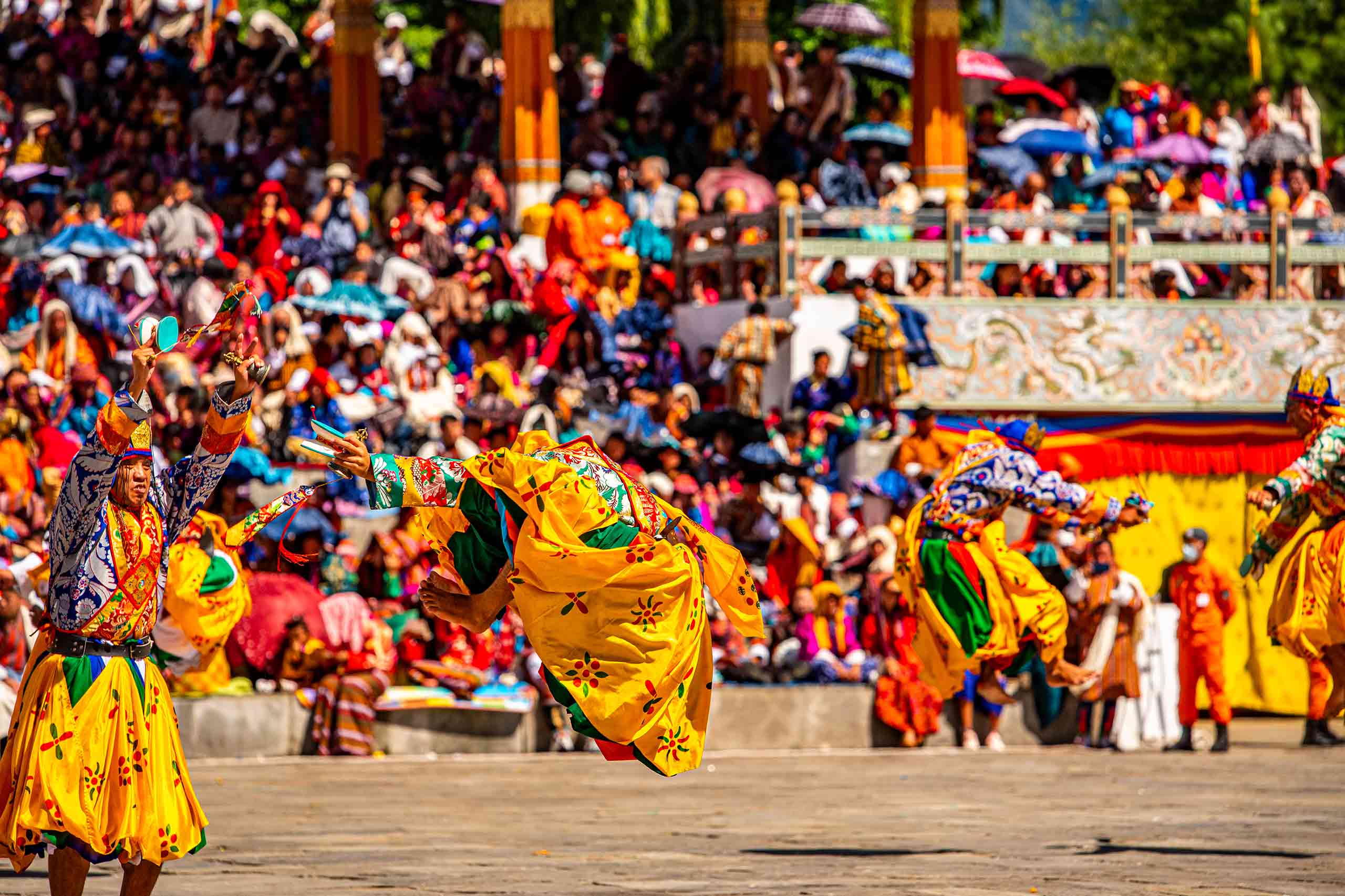
Cultural Tours In Bhutan
Cultural Tours In Bhutan Cultural Tours In Bhutan: The Complete
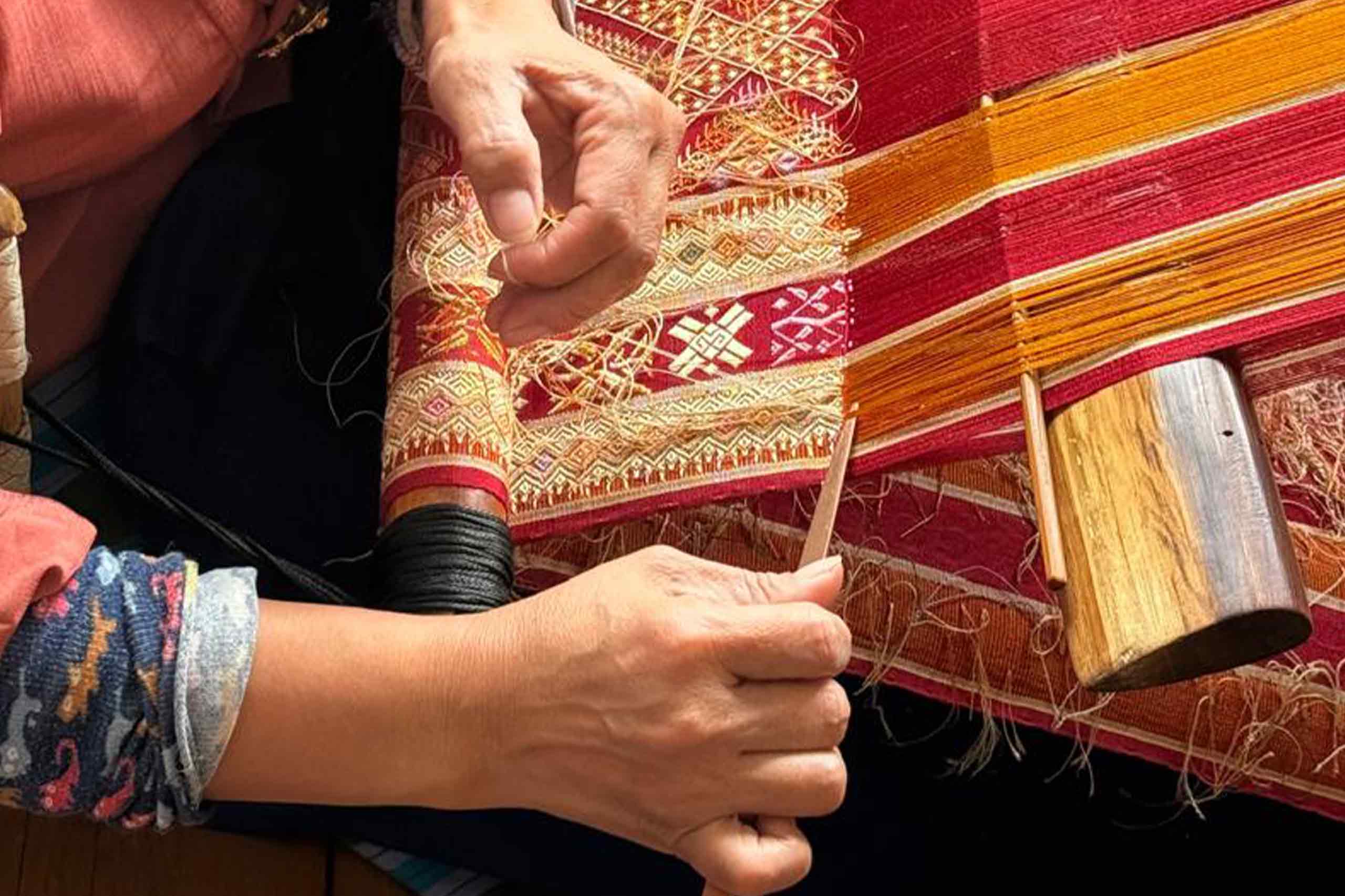
Eastern Bhutan Travel Guide
Eastern Bhutan Travel Guide Eastern Bhutan Travel Guide: The Complete