
When you think of food in Bhutan, think fire, cheese, and comfort. Traditional Bhutanese food is one of the most distinctive and underrated cuisines in all of Asia — bold, hearty, unapologetically spicy, and rooted in centuries of Himalayan agricultural tradition. Unlike most cuisines where chillies play a supporting role, in Bhutan they are the star of the show. Cheese is not a garnish — it is the sauce. And red rice is not just a side dish — it is the very foundation of every meal.
Exploring Bhutanese cuisine is one of the most rewarding and memorable parts of any trip to the Land of the Thunder Dragon. Whether you are tucking into a steaming bowl of Ema Datshi by a monastery wall, biting into a freshly steamed momo in a Thimphu street market, or warming your hands around a cup of salty butter tea in the Himalayan highlands, what you eat in Bhutan tells you everything about the people, the land, and the culture. This is your complete Bhutan food guide for 2026.
At Himalayan Unique Travels, we believe that food is an essential part of truly experiencing Bhutan. That is why every one of our tour packages includes carefully selected dining experiences that go beyond hotel buffets — giving you access to authentic, home-cooked Bhutanese meals, local restaurants, and festive food traditions that most tourists never discover.
What Makes Food in Bhutan So Unique?
Before diving into the dishes themselves, it helps to understand what sets Bhutanese food apart from every other Himalayan cuisine. Several factors combine to make it truly one of a kind:
- Chillies Are a Vegetable, Not a Spice: In most countries, chillies season a dish. In Bhutan, they are the dish. Fresh green chillies and dried red chillies are cooked as main ingredients — not sprinkled in as an afterthought. Bhutan even refers to chilli as its national vegetable.
- Cheese Is the Sauce: Datshi — a soft, locally made cheese from yak or cow’s milk — is melted into stews to create rich, creamy sauces. This is what gives Bhutanese cuisine its distinctive cheesy, spicy character found in no other Himalayan cuisine.
- Red Rice Is Sacred: Bhutan’s famed red rice, grown organically in the fertile Paro Valley at high altitude, is slightly nutty, chewy, and packed with nutrients. It appears at virtually every meal and is considered a staple of cultural identity.
- Everything Is Organic and Local: Bhutan is one of the world’s few entirely organic countries. The Tourism Council of Bhutan actively promotes farm-to-table dining, and you will notice the freshness and purity of ingredients in every dish you taste.
- Food Is Deeply Spiritual: Buddhism shapes everything in Bhutan — including food. Meals are prepared with gratitude and mindfulness. Many Bhutanese observe meat-free days, and festive foods are often made as offerings during Tshechu celebrations and religious ceremonies. Learn more about Bhutan’s spiritual culture on our About Bhutan page.
12 Must-Try Traditional Bhutanese Foods
Here are the 12 essential dishes and drinks every traveller should try when exploring food in Bhutan. Each one tells a story of the kingdom’s landscape, culture, and way of life.
1. Ema Datshi — The National Dish of Bhutan
At a Glance | Details |
Dish Type | Chilli and cheese stew |
Key Ingredients | Fresh green or dried red chillies, datshi (local cheese), garlic, onion, butter |
Best Paired With | Bhutanese red rice |
Spice Level | Very high — the hottest dish in Bhutanese cuisine |
Where to Try | Everywhere — every restaurant, home, and food stall in Bhutan serves it |
No discussion of food in Bhutan can begin anywhere other than Ema Datshi — the undisputed national dish and the single most searched Bhutanese food keyword globally. The name itself tells the story: ema means chilli and datshi means cheese in Dzongkha, Bhutan’s official language. The result is a rich, fiery stew of whole chilli peppers simmered in a creamy cheese sauce, served hot over a mound of red rice.
What makes Ema Datshi extraordinary is its simplicity. There are no complex spice blends or elaborate preparations — just fresh chillies, locally made cheese, a splash of water or butter, and patience. The cheese melts into a thick, golden sauce that coats every chilli, creating a dish that is simultaneously comforting and intense. First-time visitors are often warned about the heat, but it is the kind of spice that is deeply satisfying rather than simply painful.
Ema Datshi also comes in beloved variations. Kewa Datshi replaces chillies with potatoes for a milder, creamy experience — perfect for spice-sensitive travellers. Shamu Datshi uses local mushrooms for an earthy, umami-rich version. Zow Datshi incorporates spinach. Each variation is worth trying and reflects the seasonal, regional character of Bhutanese food.
2. Phaksha Paa — Pork with Spicy Red Chillies
If Ema Datshi is Bhutan’s most famous dish, Phaksha Paa is its most beloved pork preparation. Thinly sliced or chunked pork is slow-cooked with dried red chillies, radish, spinach, and sometimes bok choy in a deeply flavoured, slightly smoky broth. The pork used is often lightly smoked or air-dried — a traditional Himalayan preservation method that adds a distinctive depth to the dish.
Phaksha Paa is a staple of traditional Bhutanese food at festivals and family gatherings. It is hearty, warming, and perfectly suited to Bhutan’s cool mountain climate. Meat lovers exploring food in Bhutan should prioritise this dish — it is particularly popular during the Thimphu Tshechu Festival and other major celebrations.
3. Jasha Maru — Spicy Minced Chicken Curry
Jasha Maru is Bhutan’s most popular chicken dish and a consistently top-searched item among travellers researching what to eat in Bhutan. Minced or finely diced chicken is cooked with garlic, fresh ginger, onions, tomatoes, and generous amounts of chilli into a thick, fragrant curry that is served over red rice or alongside bread.
The dish is lighter and more approachable than the heavier cheese-based stews, making it a popular choice for first-time visitors easing into Bhutanese cuisine. You will find Jasha Maru on virtually every restaurant menu across Thimphu, Paro, and Punakha. Its combination of bold ginger-garlic aromatics and clean chilli heat makes it one of the most comforting dishes in the kingdom. TasteAtlas lists it among the top-rated Bhutanese dishes internationally.
4. Bhutanese Momos — Dumplings of the Himalayas
Search Bhutan food online and momos will appear in almost every result — and for good reason. These steamed dumplings are beloved across Bhutan, Nepal, and Tibet, but the Bhutanese version carries its own distinctive personality. Traditionally filled with yak meat, momos are now found with pork, beef, chicken, cheese, and vegetable fillings, wrapped in thin wheat dough and steamed until perfectly tender.
Bhutanese momos are almost always served with ezay — a fiery chilli condiment made from dried or fresh chillies, cilantro, onions, and sometimes tomatoes. The contrast between the soft, mild dumpling and the explosive ezay is what makes every bite thrilling. Momo restaurants and street stalls are found across Thimphu, Paro, and Punakha — and they are among the most affordable and satisfying street foods in Bhutan.
A unique regional variation to seek out is the Hoentay from the Haa Valley — a momo made with buckwheat dough instead of wheat, filled with turnip leaves, cheese, or spinach. Hoentay is gluten-different, deeply earthy in flavour, and a celebrated dish during the Haa Valley’s annual Lomba Festival. If your itinerary includes the Haa Valley — as it does on our special tours — do not miss it.
5. Bhutanese Red Rice — The Sacred Staple
No meal in Bhutan is complete without red rice — and no discussion of food in Bhutan is complete without understanding why this grain is so central to Bhutanese identity. Grown organically in the Paro Valley at elevations above 2,500 metres, Bhutanese red rice is a semi-milled grain with a slightly nutty, earthy flavour and a pleasantly chewy texture. It is rich in fibre, iron, and B vitamins, and its pinkish-red hue comes from its natural bran layer, which is preserved during milling.
Unlike the polished white rice common elsewhere in Asia, Bhutanese red rice retains its nutritional integrity — making it one of the healthiest staple grains in the world. It pairs beautifully with the rich, cheese-heavy stews of Bhutanese cuisine, its mild nuttiness balancing the bold heat of Ema Datshi and Phaksha Paa. Red rice is now exported internationally and has gained a following among food enthusiasts and health-conscious consumers worldwide.
6. Suja — Bhutanese Butter Tea
Suja is arguably the most divisive and fascinating beverage in all of Bhutanese food culture. Made by churning strong black tea with yak butter and salt, butter tea is a thick, savoury, warming drink consumed daily by Bhutanese people — particularly in the highlands where temperatures drop sharply. For high-altitude trekkers and travellers exploring Bhutan’s remote valleys, Suja provides essential calories, warmth, and hydration in one cup.
First-time visitors often describe the taste as unexpected — salty, rich, and more soup-like than tea. However, it grows on you quickly, especially when consumed as it is traditionally intended: slowly, in a warm kitchen, alongside a bowl of Ema Datshi or tsampa porridge. If you are trekking in Bhutan — on routes such as the Laya-Gasa Trek — you will be offered Suja at nearly every rest stop and homestay. Embrace it. It is liquid Bhutan.
7. Shakam Paa — Dried Beef with Chillies and Radish
Shakam Paa is Bhutan’s traditional dried beef dish — a window into the country’s ancient food preservation techniques. Strips of beef are sun-dried for weeks until deeply concentrated in flavour, then rehydrated and cooked with dried red chillies and radish into a robust, chewy stew. The result is intensely savoury, with a smoky depth that fresh beef simply cannot replicate.
Shakam Paa is especially popular in the Bumthang region of central Bhutan and during the cold winter months when fresh produce is scarce. It represents the resourcefulness and ingenuity of traditional Bhutanese food — a cuisine built on making the most of what the Himalayan environment provides. Travellers visiting Bumthang on our cultural tours should seek out Shakam Paa at a local restaurant for a truly authentic taste of highland Bhutan.
8. Khur-Le — Bhutanese Buckwheat Pancakes
Khur-Le are thick, golden buckwheat pancakes — one of the most traditional Bhutanese breakfast foods and a beloved street snack found in markets across the country. Made from locally grown buckwheat flour, water, and sometimes egg, Khur-Le are simple in preparation but rich in flavour, with a slightly nutty, wholesome taste that reflects Bhutan’s deep agricultural roots.
Buckwheat is one of Bhutan’s most ancient crops, cultivated on terraced hillsides long before rice arrived in the kingdom. Khur-Le are often eaten with butter, honey, or a drizzle of local condiments, and are particularly popular in western Bhutan, especially the Paro Valley. They are also sold as street food throughout Thimphu’s markets and are a must-try for travellers seeking authentic Bhutanese snacks. For the best experience, try them warm from the griddle with a cup of Suja butter tea.
9. Goen Hogey — Refreshing Cucumber Salad
Among the many rich, heavy, and spicy dishes that define food in Bhutan, Goen Hogey stands out as a light, refreshing counterpoint. This simple cucumber salad features thinly sliced cucumbers tossed with red chilli flakes, onions, fresh cilantro, a crumble of datshi cheese, and Sichuan pepper — creating a dish that is cool, tangy, mildly spicy, and deeply satisfying.
Goen Hogey is typically served as a side dish or accompaniment to heavier mains, and it is one of the few vegetarian Bhutanese foods that requires no cooking. For travellers who find the heat of Ema Datshi and Phaksha Paa overwhelming, Goen Hogey offers a gentler, equally flavourful introduction to Bhutanese flavours. It is also a popular dish at high-end hotels in Thimphu, where it is often elegantly presented as a starter.
10. Puta — Bhutanese Buckwheat Noodles
Puta is Bhutan’s traditional buckwheat noodle dish — a complete meal in itself and a popular alternative to rice-based dishes. The noodles are made from buckwheat flour and cooked in various ways: boiled and tossed with vegetables and meat, or stir-fried with sauces for a richer preparation. Puta noodles have a slightly earthy, nutty flavour with a satisfying chewiness that sets them apart from regular wheat noodles.
Puta is particularly popular in Bumthang, where buckwheat cultivation has historically been central to the local economy and diet. It is a warming, energising dish well-suited to the cool mountain climate of Bhutan’s highlands, and it represents the diversity within traditional Bhutanese cuisine — a reminder that Bhutanese cooking extends well beyond chilli and cheese. Travellers on hiking and walking tours through the Bumthang Valley should specifically look for Puta at local teahouses.
11. Ara — Bhutan’s Traditional Rice Wine
No exploration of food in Bhutan is complete without at least one encounter with Ara — Bhutan’s traditional homemade spirit. Distilled from fermented rice, wheat, millet, or maize, Ara is a clear or milky white alcoholic drink that ranges from mildly sweet to intensely potent, depending on how it is made and aged. It is the drink of celebrations, festivals, and community gatherings across the kingdom.
Ara is traditionally served warm in small clay or wooden cups, often flavoured with eggs, butter, and spices for a richer version called Ara Bang-Chang. It plays a central role in Bhutanese cultural life, particularly during the country’s spectacular Tshechu festivals — events that are celebrated at dzongs and monasteries across the country every year. If you are planning to attend a Bhutanese festival, you will very likely be offered Ara by a welcoming local. It is considered deeply impolite to refuse without at least tasting it.
12. Zow Shungo — The No-Waste Rice Bowl
Zow Shungo is perhaps the most philosophically Bhutanese of all dishes. Made from leftover rice stir-fried with seasonal vegetables, greens, and whatever condiments are available, it is a reflection of Bhutan’s deeply held values of sustainability, mindfulness, and zero waste — principles that are deeply embedded in the country’s Gross National Happiness framework and Buddhist worldview.
Think of Zow Shungo as Bhutan’s answer to fried rice, but rooted in intention rather than convenience. At high-altitude homestays along trekking routes — such as those on our adventure and nature tours — Zow Shungo is often served as a simple, nourishing breakfast or light dinner, made from the previous evening’s leftovers. It is humble, honest, and utterly delicious: a perfect reflection of Bhutanese food culture at its most essential.
Vegetarian & Vegan Food in Bhutan
One of the most common questions we receive from travellers is: “Is there vegetarian food in Bhutan?” The answer is a resounding yes. While Bhutanese cuisine does include meat — particularly pork, beef, and chicken — the country’s strong Buddhist heritage means that vegetarian and plant-based eating is deeply ingrained in the culture. Many Bhutanese observe regular meat-free days, and the availability of organic, locally grown vegetables means that vegetarian food in Bhutan is exceptionally fresh and flavourful.
The best vegetarian dishes to seek out in Bhutan include:
- Ema Datshi (specify no meat when ordering — it is naturally vegetarian)
- Kewa Datshi — potato and cheese stew, mild and comforting
- Shamu Datshi — mushroom and cheese, deeply earthy and satisfying
- Goen Hogey — cucumber salad with cheese and chilli flakes
- Khur-Le — buckwheat pancakes, naturally vegetarian
- Puta — buckwheat noodles with vegetables
- Red Rice with Dal — lentil stew over red rice, similar to Indian dal bhat but distinctly Bhutanese
- Zow Shungo — vegetable fried rice, made from seasonal produce
All of our cultural tour packages and trekking itineraries can be tailored with vegetarian or vegan meal preferences. Simply let us know when you contact our team.
Bhutanese Street Food — Eating Like a Local
Thimphu, Paro, and Punakha all have vibrant street food scenes that offer some of the most authentic and affordable food in Bhutan. The Thimphu Weekend Market — open on Fridays, Saturdays, and Sundays near the Chhuzom intersection — is the best single destination for experiencing the full range of Bhutanese street food in one place. Here you will find:
- Steamed and fried momos — freshly made to order, with various fillings
- Khur-Le — hot off the griddle, sold by the piece
- Vegetable rolls and fried snacks — influenced by Indian and Tibetan street food traditions
- Chilli pastes and ezay — sold in jars and packets to take home as gifts
- Seasonal fruit — particularly apples from Paro and citrus from the south
- Local cookies and sweet breads — often enjoyed with sweet tea or coffee
Exploring Bhutan’s food markets is one of the highlights of our cultural tours. For travellers attending one of Bhutan’s spectacular Tshechu festivals, the festival grounds are also lined with food stalls serving Bhutanese classics to the thousands of locals who gather to celebrate. See our Festival Schedule 2026 for upcoming dates.
Where to Eat Traditional Bhutanese Food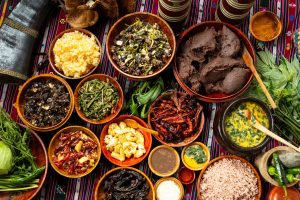
Finding great traditional Bhutanese food is easy if you know where to look. Here are our top recommendations by city:
Thimphu
- Folk Heritage Museum Restaurant — Authentic traditional Bhutanese cuisine in a beautifully restored farmhouse setting
- Babesa Village Restaurant — Farm-to-table Bhutanese meals in a cultural, rustic setting on the outskirts of Thimphu
- The Zone — A popular local favourite offering both Bhutanese dishes and international options
- Zombala 2 — Famous for its momos, Datshi variations, and fresh local ingredients
Paro
- Sonam Trophel Restaurant — Highly rated for local Bhutanese flavours and warm service
- Paro Market Stalls — For momos, Khur-Le, and fresh seasonal snacks at very local prices
Bumthang (Central Bhutan)
- Local guesthouses and farmhouses — The best place to try Puta, Shakam Paa, and traditional highland cooking
- Swiss Guesthouse — Unique Swiss-Bhutanese fusion alongside traditional dishes; famous for its Red Panda beer brewed locally
All of our tour packages include curated dining experiences at reputable local restaurants and, where possible, home-cooked meals with Bhutanese families — one of the most meaningful and memorable ways to experience food in Bhutan.
Frequently Asked Questions — Food in Bhutan
These questions are structured for FAQPage schema markup. Add them using the Yoast or Rank Math FAQ block in WordPress to unlock rich snippets in Google search results.
Q: What is the national dish of Bhutan?
A: The national dish of Bhutan is Ema Datshi — a rich, fiery stew of fresh or dried chillies cooked in a creamy local cheese sauce, served over Bhutanese red rice. It is found on every restaurant menu and dining table across the kingdom and is the defining dish of Bhutanese cuisine.
Q: Is food in Bhutan very spicy?
A: Yes — food in Bhutan is genuinely spicy by international standards. Chillies are treated as a main vegetable, not merely a seasoning, so most traditional dishes carry significant heat. However, most restaurants catering to tourists can prepare milder versions on request. Kewa Datshi (potato and cheese) and Jasha Maru (chicken curry) are good starting points for spice-sensitive travellers.
Q: Is there vegetarian food in Bhutan?
A: Yes, absolutely. Vegetarian food in Bhutan is widely available and deeply rooted in the country’s Buddhist culture. Dishes like Ema Datshi, Kewa Datshi, Shamu Datshi, Goen Hogey, Khur-Le, and buckwheat noodles are all naturally vegetarian. All of our tour packages can be customised with vegetarian and vegan meal preferences.
Q: What is Bhutanese red rice?
A: Bhutanese red rice is a semi-milled, organically grown grain cultivated in the Paro Valley at high altitude. It has a slightly nutty flavour, chewy texture, and distinctive pinkish-red colour. It is the staple grain of traditional Bhutanese food and appears at virtually every meal. It is also considered one of the most nutritious rice varieties in the world.
Q: What is Suja — Bhutanese butter tea?
A: Suja is Bhutan’s traditional butter tea — made by churning black tea with yak butter and salt into a thick, savoury drink. It is consumed daily across Bhutan, especially in highland areas, where it provides warmth and energy. Visitors often find the salty, buttery taste surprising at first, but it is a beloved and essential part of Bhutanese food culture.
Q: What are momos in Bhutan?
A: Momos are steamed or fried dumplings filled with yak meat, pork, chicken, cheese, or vegetables. They are one of the most popular Bhutanese street foods and are always served with ezay — a fiery chilli condiment. A unique Bhutanese variation is Hoentay from the Haa Valley, made with buckwheat dough and turnip leaf filling.
Q: What is Ara in Bhutan?
A: Ara is Bhutan’s traditional homemade spirit, distilled from fermented rice, wheat, millet, or maize. It ranges from clear to milky white and is served warm, often at festivals and community gatherings. It is an important part of Bhutanese social and cultural life, particularly during Tshechu festivals. Visit our Festival & Dances page to learn more about Bhutanese festivals.
Q: Where can I take a Bhutanese cooking class?
A: Several hotels and cultural programmes in Thimphu and Paro offer hands-on Bhutanese cooking classes where you can learn to make Ema Datshi, momos, and butter tea. Himalayan Unique Travels can arrange cooking experiences as part of your customised itinerary. Contact our team to include this in your tour package.
Conclusion: Let Bhutanese Food Be Part of Your Adventure
Exploring food in Bhutan is far more than a culinary activity — it is a cultural immersion. Every dish you eat, every cup of Suja you accept from a smiling host, and every momo you share with a local family is a connection to a way of life that is unlike anything else on earth. Bhutanese cuisine is honest, bold, nourishing, and deeply meaningful — a reflection of the kingdom’s values of happiness, sustainability, and community.
At Himalayan Unique Travels, we make sure that every traveller we bring to Bhutan has the opportunity to eat well and authentically. From rooftop dinners overlooking dzong-lit valleys to farm breakfasts in the Paro countryside, we weave traditional Bhutanese food experiences into every itinerary we design. Browse our cultural tours, festival packages, and trekking adventures to find the journey that suits you — and contact us today to start planning.
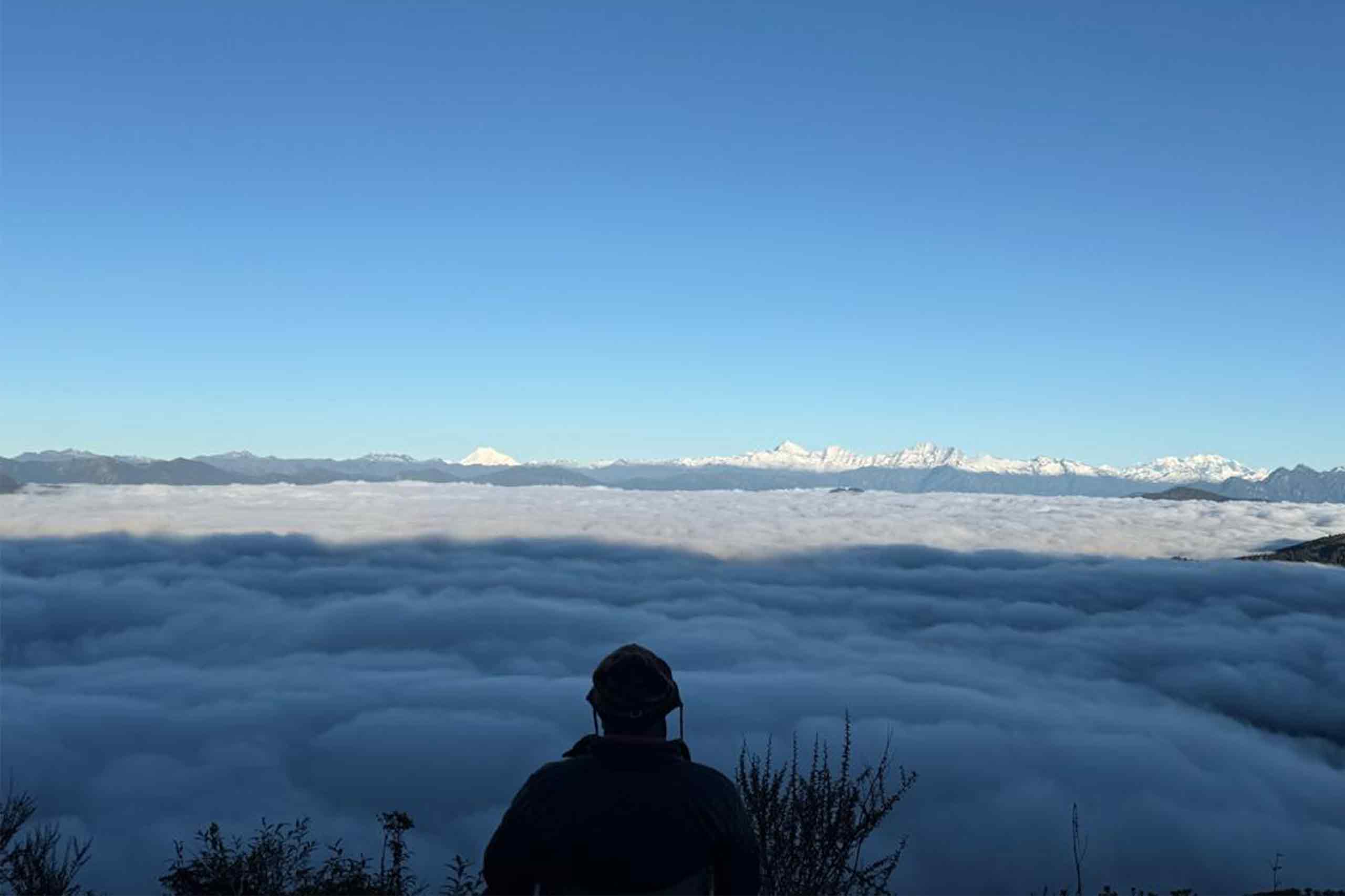
Trekking In Bhutan: Best Routes, Permits & Tips
Trekking In Bhutan: Best Routes, Permits & Tips Trekking In
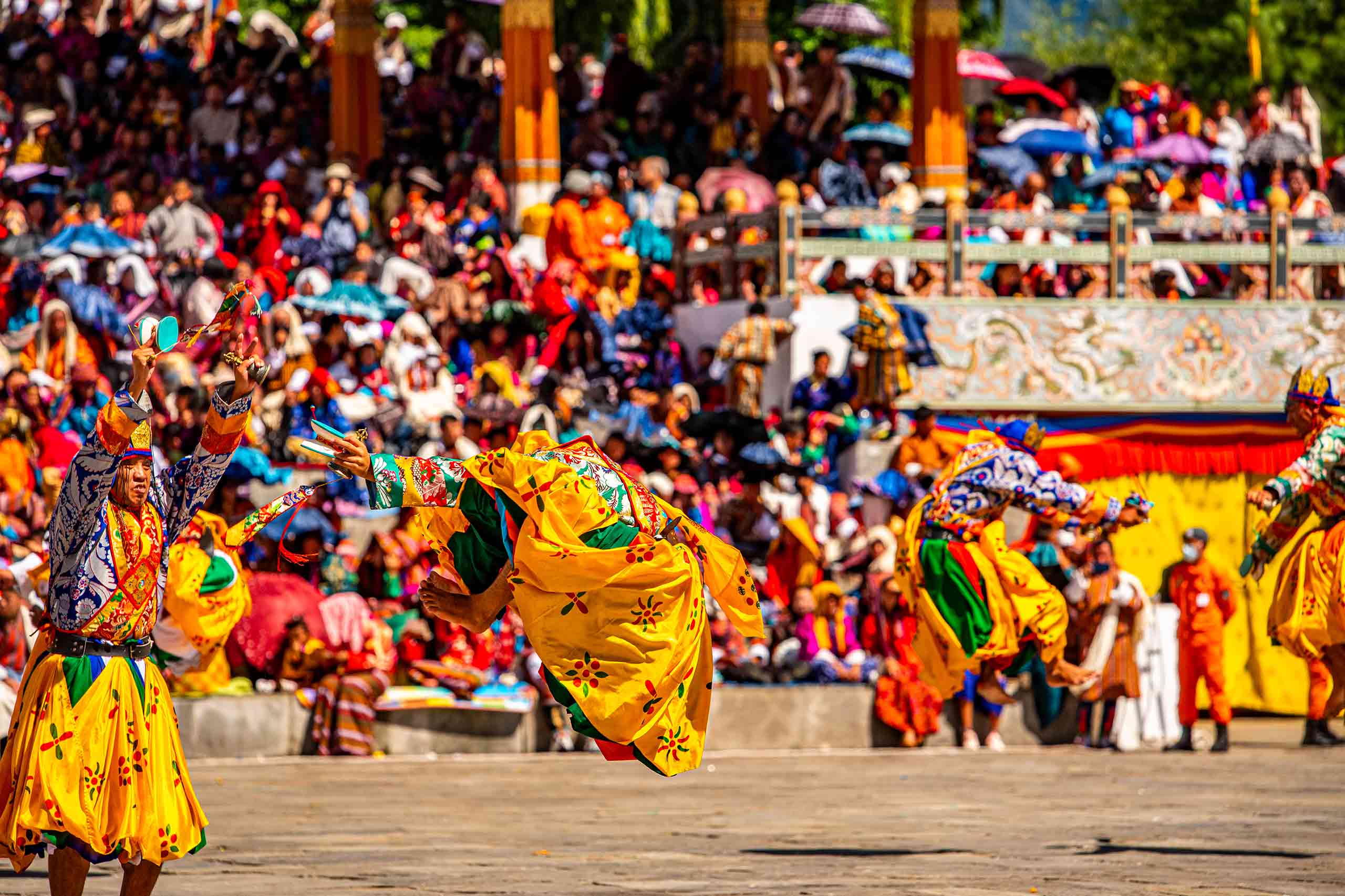
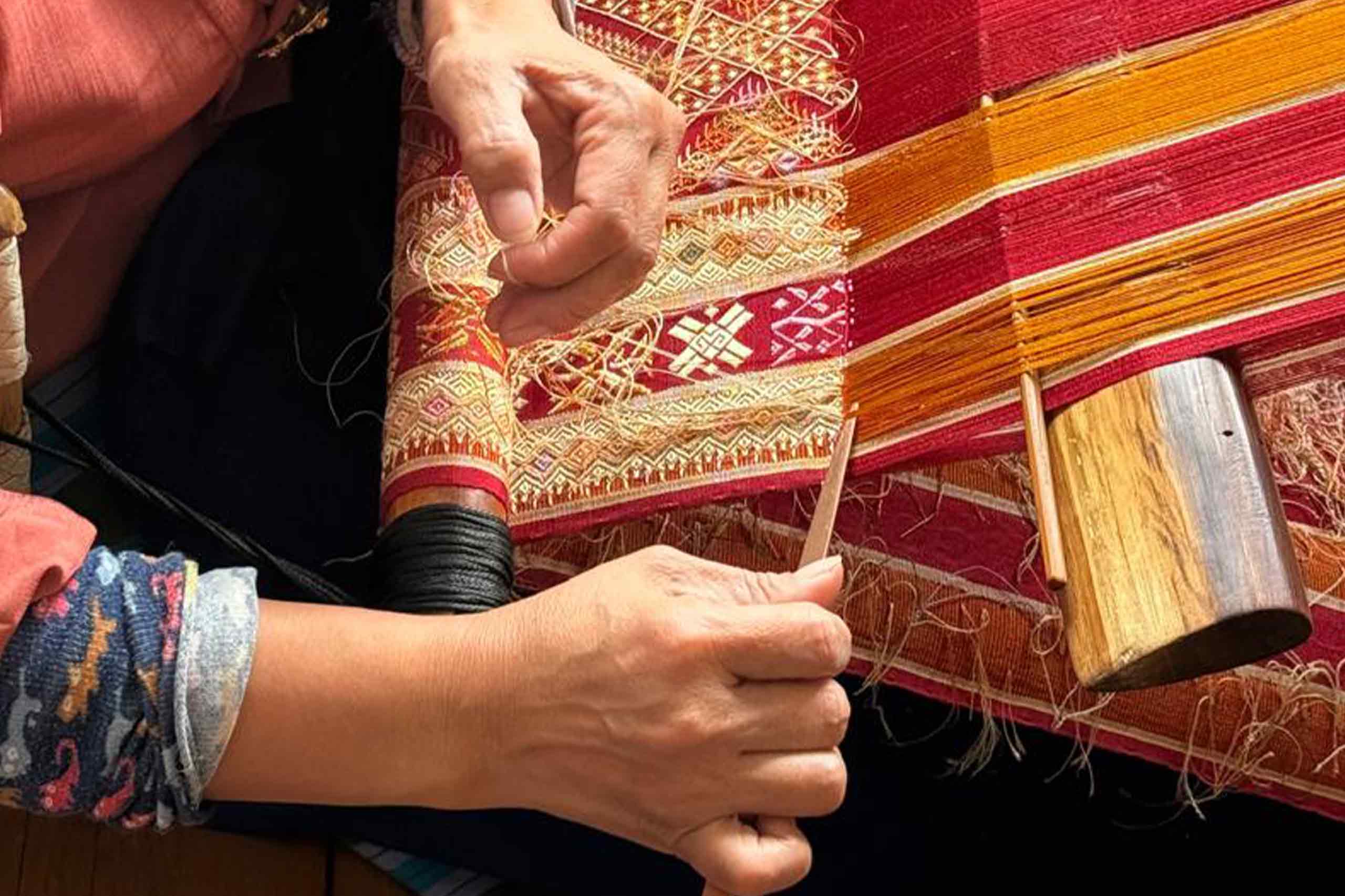
Cultural Tours In Bhutan
Cultural Tours In Bhutan Cultural Tours In Bhutan: The Complete
Eastern Bhutan Travel Guide
Eastern Bhutan Travel Guide Eastern Bhutan Travel Guide: The Complete