
Best Time to Visit Bhutan: Month-by-Month Guide for Festivals, Trekking & Weather (2026)
Wondering when the best time to visit Bhutan really is? The short answer: spring (March–May) and autumn (September–November) offer the clearest skies, the most comfortable temperatures, and the biggest festivals. But the honest answer is more interesting — Bhutan rewards travellers in every single month, from snow-dusted dzongs in January to electric-green rice valleys in July.
As a local Bhutanese tour operator, we’ve guided travellers through the Land of the Thunder Dragon in all four seasons. This month-by-month guide breaks down exactly what to expect — weather, festivals, trekking conditions, and crowds — so you can choose the perfect window for your kind of trip.
Bhutan’s Seasons at a Glance
Season | Months | Best For | Avg. Temp |
Spring | March–May | Trekking, rhododendron blooms, Paro Tshechu | 8–20°C |
Summer / Monsoon | June–August | Lush valleys, low-season rates, fewer tourists | 15–25°C |
Autumn | Sept–November | Trekking, Thimphu Tshechu, crystal-clear Himalayan views | 8–22°C |
Winter | December–February | Black-necked cranes, quiet monasteries, budget travel | -2–14°C |
Quick verdict: October is the single most popular month to visit Bhutan — and for good reason. But March, April, and November come very close, often with slightly fewer crowds.
Month-by-Month Guide to Visiting Bhutan in 2026
January Crisp, Quiet & Wonderfully Empty
Winter holds Bhutan in a calm hush. Days in Paro and Thimphu are sunny and cold (around 10–12°C), nights drop below freezing, and the high passes see snow. This is the month for travellers who want monasteries almost to themselves and dramatically lower hotel rates. Punakha, sitting at a lower altitude, stays pleasantly mild — perfect for visiting Punakha Dzong at its photogenic best.
Don’t miss: Black-necked cranes wintering in Phobjikha Valley.
February — Festivals Begin to Stir
Still cold, but the skies stay brilliantly clear — some of the sharpest Himalayan views of the year. The Punakha Drubchen and Tshechu (late February/early March) recreates a 17th-century battle and is one of Bhutan’s most dramatic festivals, held in the warmest valley in western Bhutan.
March — Spring Arrives, Trekking Season Opens
March marks the start of peak season. Rhododendrons begin painting the hillsides crimson and pink, daytime temperatures climb to 16–18°C, and lower-altitude treks like the Druk Path Trek reopen. Book early — spring fills up fast.
April — The Sweet Spot for Festivals & Flowers
Arguably the finest spring month. The legendary Paro Tshechu (early April 2026) draws masked dancers, giant silk thongdrels, and locals in their finest gho and kira to Paro Dzong. Rhododendron forests are at full bloom, and the Jomolhari Trek — our signature high-altitude route — is in prime condition.
Trekker’s tip: April offers the best balance of warm valley days and stable mountain weather for treks above 4,000m.
May — Warm Valleys, Last Call Before Monsoon
Temperatures rise (up to 24°C in Punakha), wildflowers carpet the high meadows, and the crowds of April thin out. Occasional pre-monsoon showers arrive late in the month, but mornings remain dependably clear. A great-value shoulder month.
June — The Green Season Begins
The southwest monsoon arrives mid-to-late June. Rain typically falls in the afternoon and overnight, leaving mornings free for sightseeing. The valleys turn an almost impossible shade of green, and you’ll share Tiger’s Nest Monastery with only a handful of other travellers.
July — Monsoon Peak, Maximum Lushness
Bhutan’s wettest and warmest month. Trekking is off the table for most high routes, but cultural touring continues — and the Haa Summer Festival showcases nomadic yak-herder culture in one of Bhutan’s least-visited valleys. Hotel rates hit their annual low.
August — Mushrooms, Mist & Matsutake
Late monsoon. The famed Matsutake Mushroom Festival in Ura Valley (Bumthang) celebrates Bhutan’s prized wild fungus. Rain eases toward the end of the month. A rewarding month for food lovers and photographers chasing misty, moody landscapes.
September — The Skies Clear
By mid-September the monsoon retreats, leaving washed-clean air and the year’s most vivid mountain panoramas. The Thimphu Tshechu (late September 2026) — Bhutan’s largest festival — fills the capital with colour, music, and sacred cham dances. Autumn trekking season officially opens.
October — The Best Month to Visit Bhutan
If we had to pick one month, this is it. Stable weather, daytime temperatures of 18–22°C, golden rice harvests in Paro and Punakha valleys, and flawless views of Jomolhari and Jichu Drake. Every major trek — Jomolhari, Druk Path, Dagala Thousand Lakes — is at its absolute peak. The trade-off: flights and hotels book out months ahead, so reserve your October 2026 trip early.
November — Clear Skies, Thinner Crowds
October’s weather with fewer people. The Black-Necked Crane Festival (11 November) in Phobjikha welcomes the endangered cranes back from Tibet, and the Jambay Lhakhang Drup in Bumthang features the mesmerising midnight fire ceremony (Mewang). Trekking remains excellent until late in the month.
December — Festive, Frosty & Peaceful
Winter returns with sunny days, cold nights, and superb visibility. The Trongsa Tshechu and Druk Wangyel Festival (13 December, Dochula Pass) offer festival experiences without the peak-season crowds. Lower-altitude winter hikes around Punakha remain open all month.
Best Time to Visit Bhutan for Trekking
- High-altitude treks (Jomolhari, Snowman, Dagala): Late March–May and late September–mid November
- Moderate treks (Druk Path, Bumdra): March–May and September–November; possible in clear winter spells
- Avoid: Mid-June to early September (monsoon — leeches, mud, and obscured views)
Best Time to Visit Bhutan for Festivals (2026 Highlights)
- Punakha Tshechu — late February/March
- Paro Tshechu — early April
- Haa Summer Festival — July
- Thimphu Tshechu — late September
- Black-Necked Crane Festival — 11 November
- Jambay Lhakhang Drup — November
Note: Bhutan follows the lunar calendar, so exact dates shift each year — contact us for confirmed 2026 festival dates before booking flights.
Best Time to Visit Bhutan on a Budget
December–February and June–August bring noticeably lower hotel rates and easy availability. Remember that Bhutan’s Sustainable Development Fee (SDF) applies year-round, so the savings come from accommodation, flights, and a quieter, more personal experience rather than government fees.
FAQs
What is the best month to visit Bhutan?
October offers the best overall combination of weather, trekking conditions, and festivals, followed closely by April and November.
Is Bhutan worth visiting during monsoon?
Yes — for cultural tours. June–August brings lush scenery, low-season rates, and far fewer visitors, though high-altitude trekking isn’t recommended.
When can I see the Himalayas clearly in Bhutan?
October through February delivers the most reliable mountain visibility, with post-monsoon October and November the clearest of all.
How far in advance should I book a peak-season trip?
For October and April travel, book 4–6 months ahead to secure Druk Air/Bhutan Airlines flights and preferred hotels.
Ready to Plan Your 2026 Bhutan Trip?
Whichever month you choose, travelling with a local operator means insider festival access, the right trek for the season, and a fully customized itinerary. Browse our Bhutan tour packages or contact our team for a tailor-made itinerary built around the best time for you to visit Bhutan.
Related Blogs
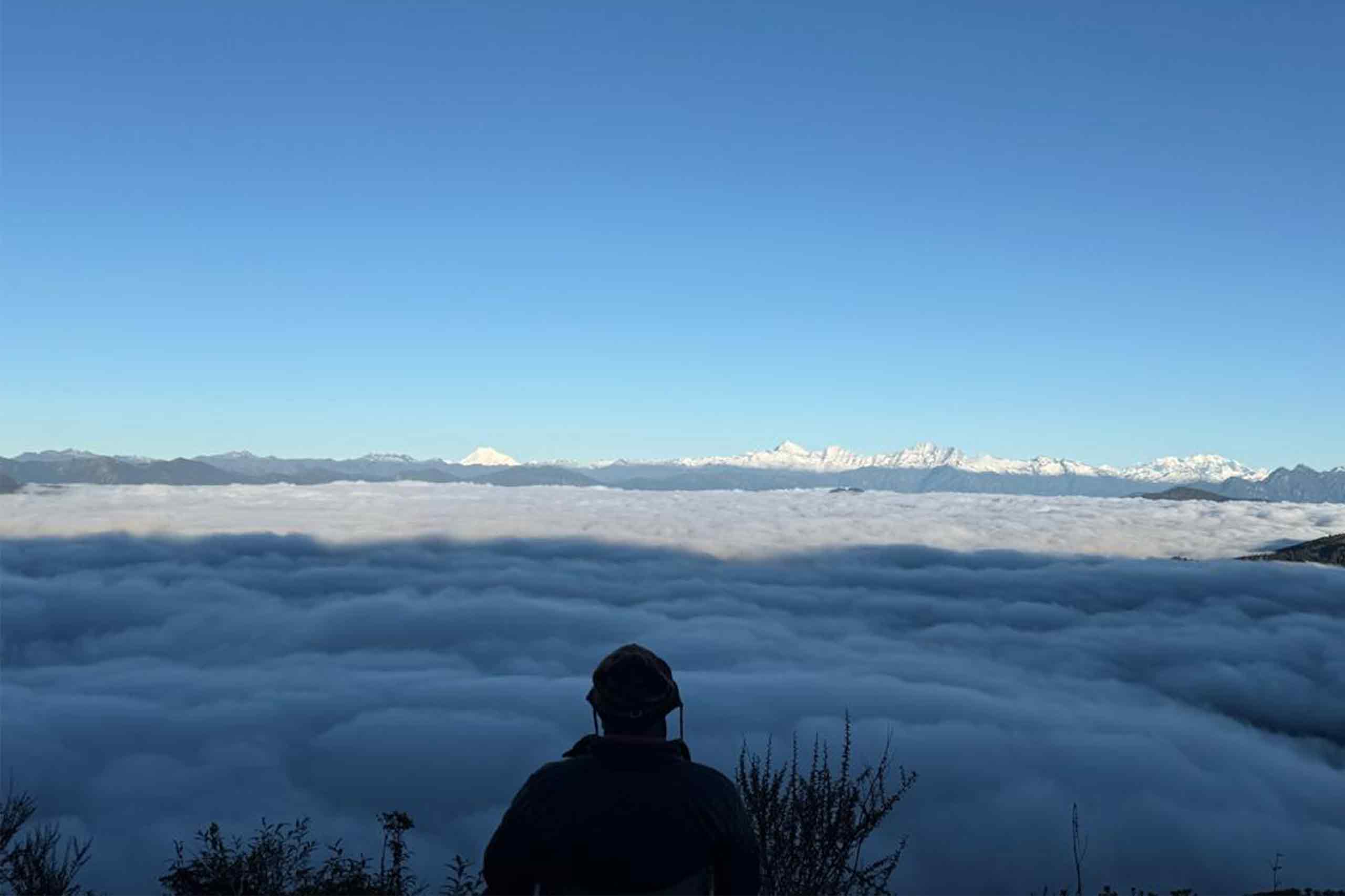
Trekking In Bhutan: Best Routes, Permits & Tips
Trekking In Bhutan: Best Routes, Permits & Tips Trekking In
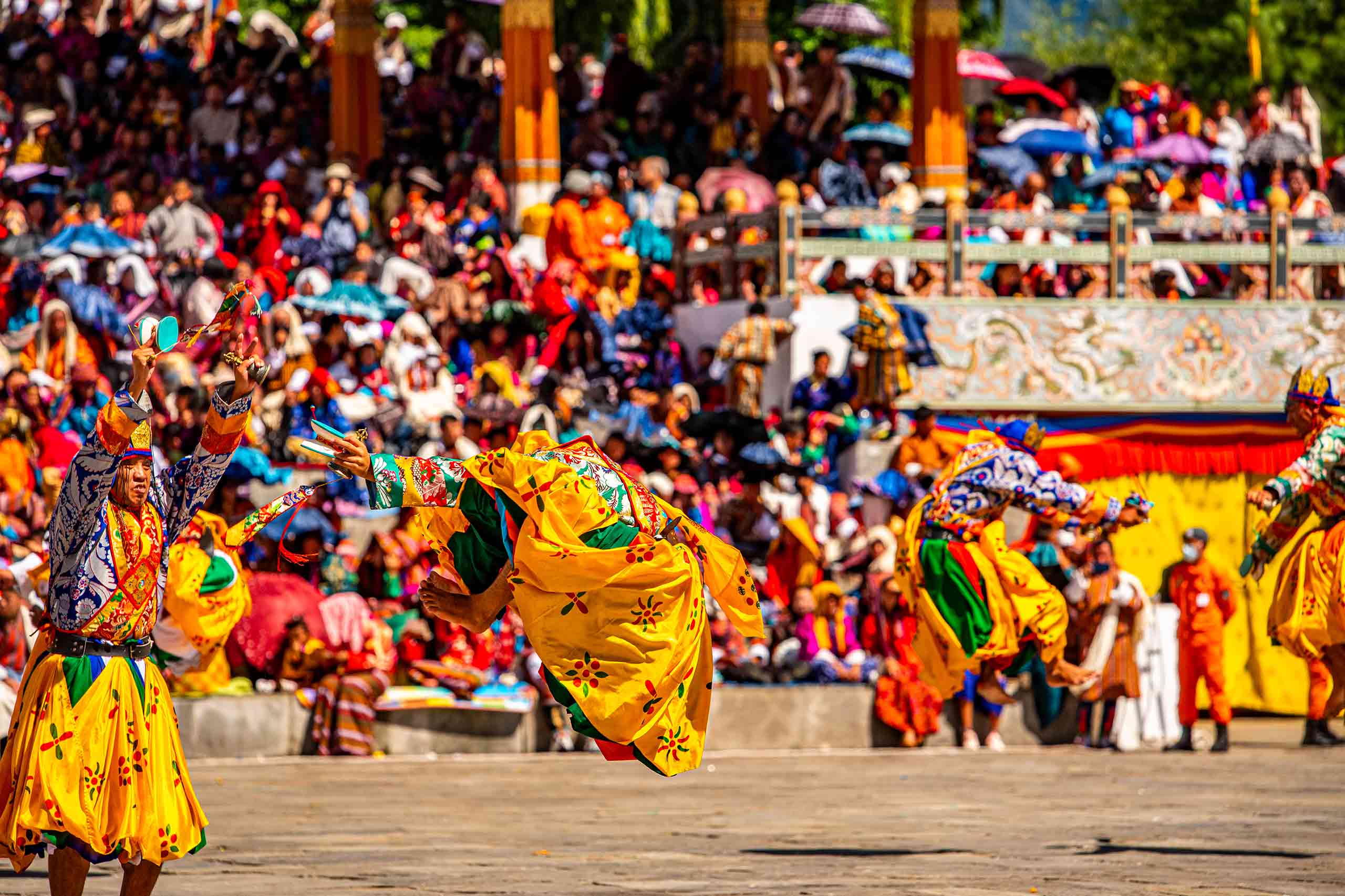
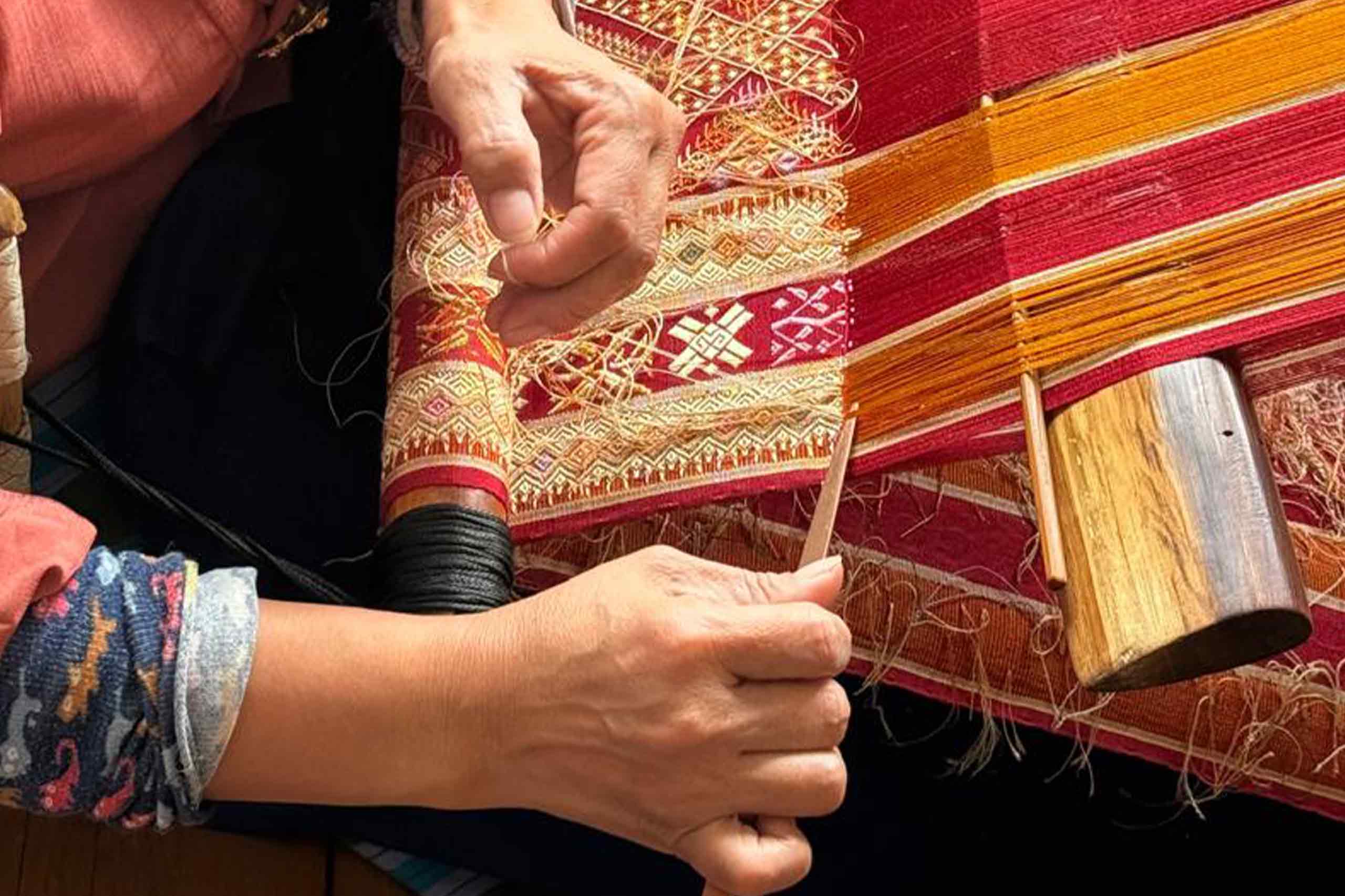
Cultural Tours In Bhutan
Cultural Tours In Bhutan Cultural Tours In Bhutan: The Complete
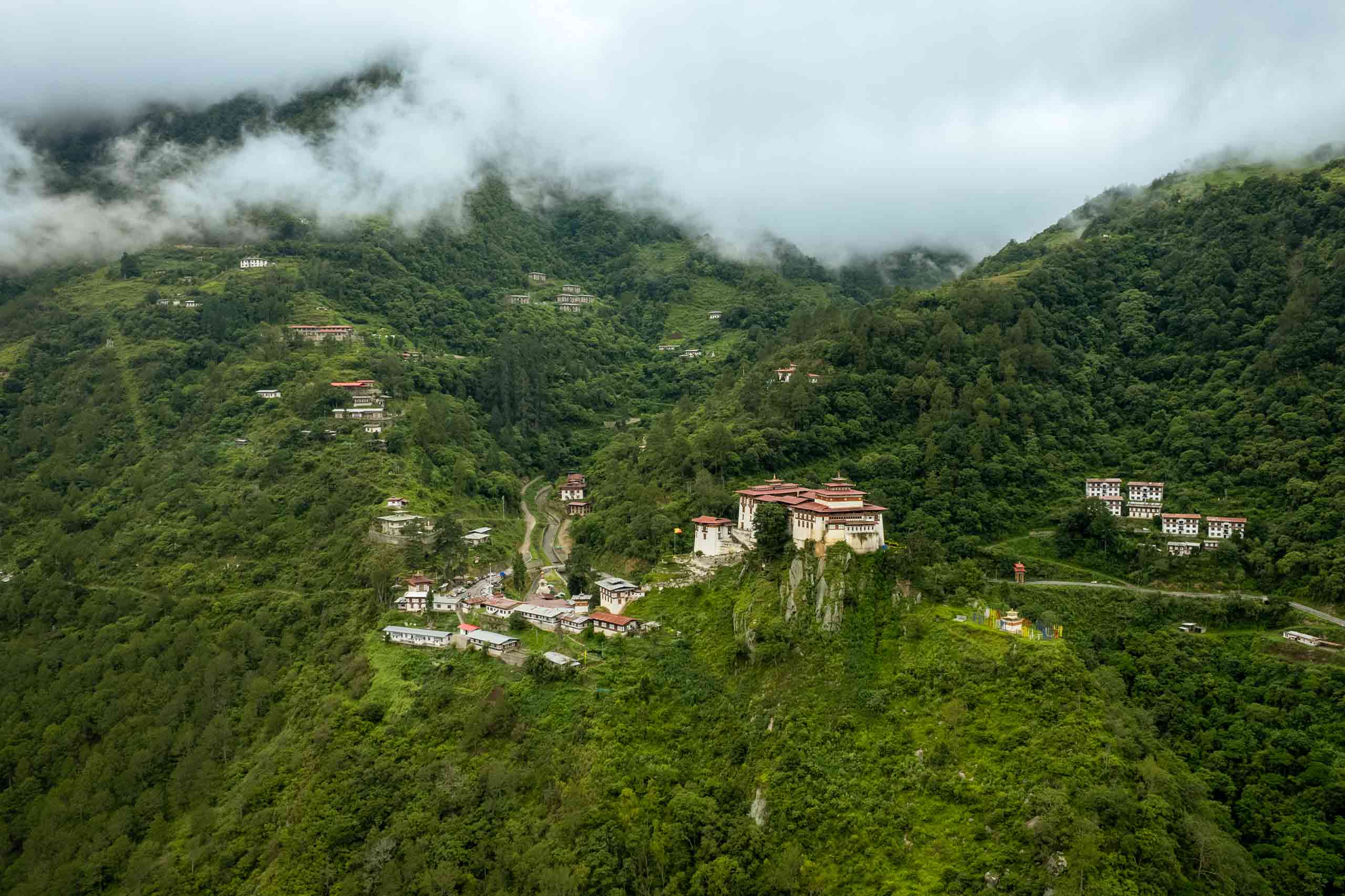
Eastern Bhutan Travel Guide
Eastern Bhutan Travel Guide Eastern Bhutan Travel Guide: The Complete